

Historical Significance of Russia’s Invasion of Ukraine and the New International Order
Working groups
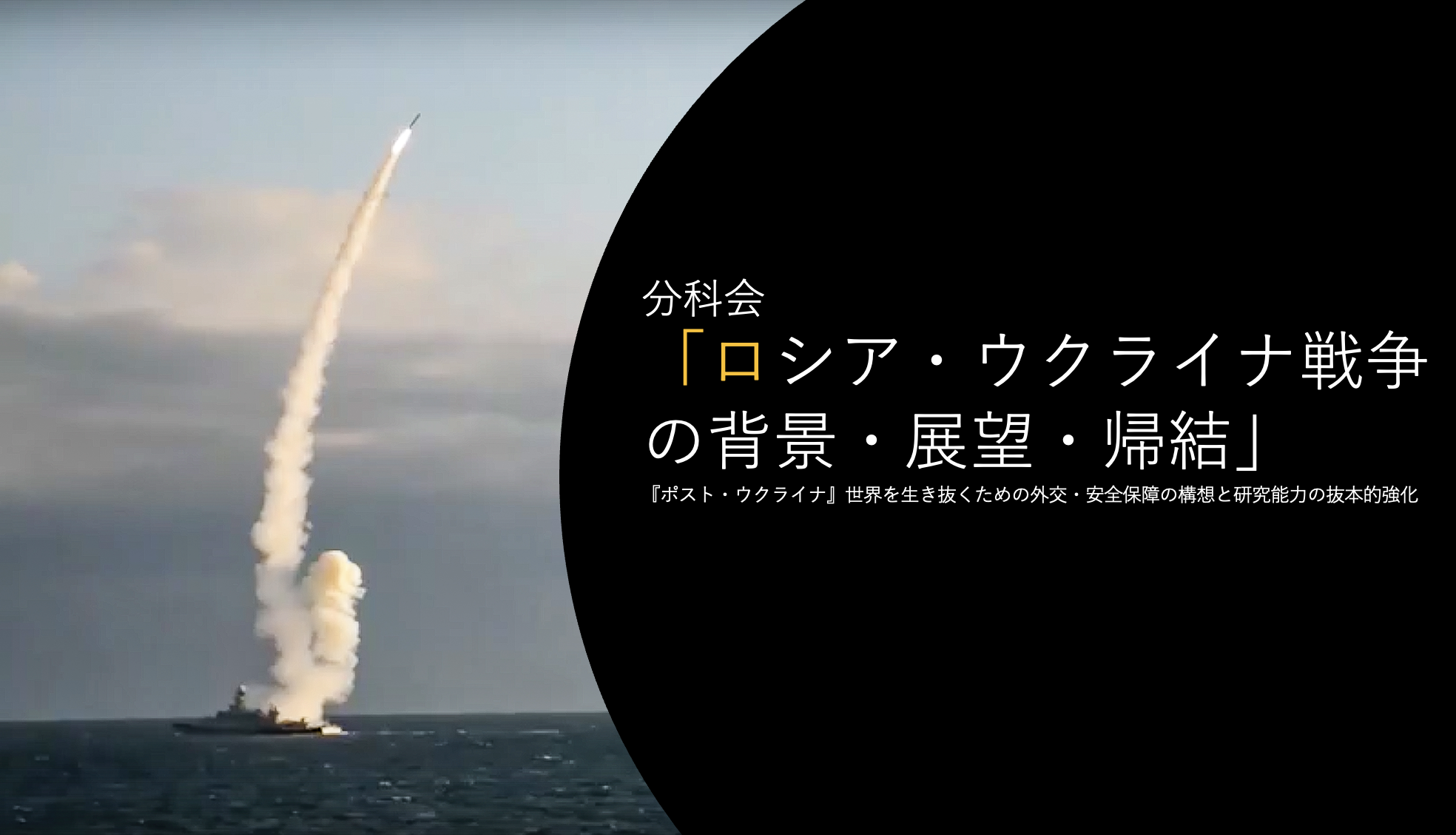
"Background, Outlook, and Consequences of the Russia-Ukraine War" Working Group

"Information and Cognitive Domain Security" Working Group
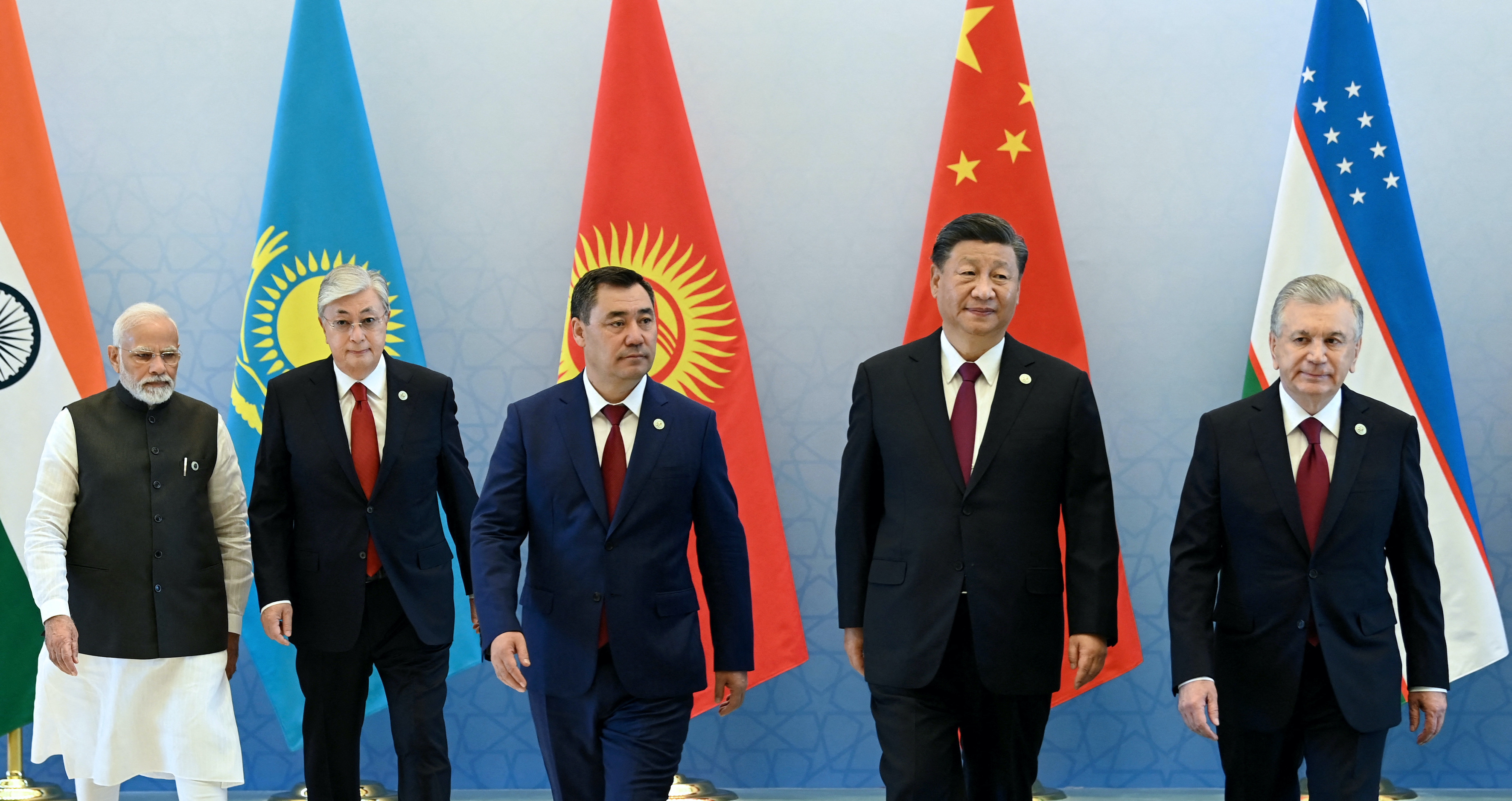
"Emerging Security Landscape in Greater Central Asia" Working Group
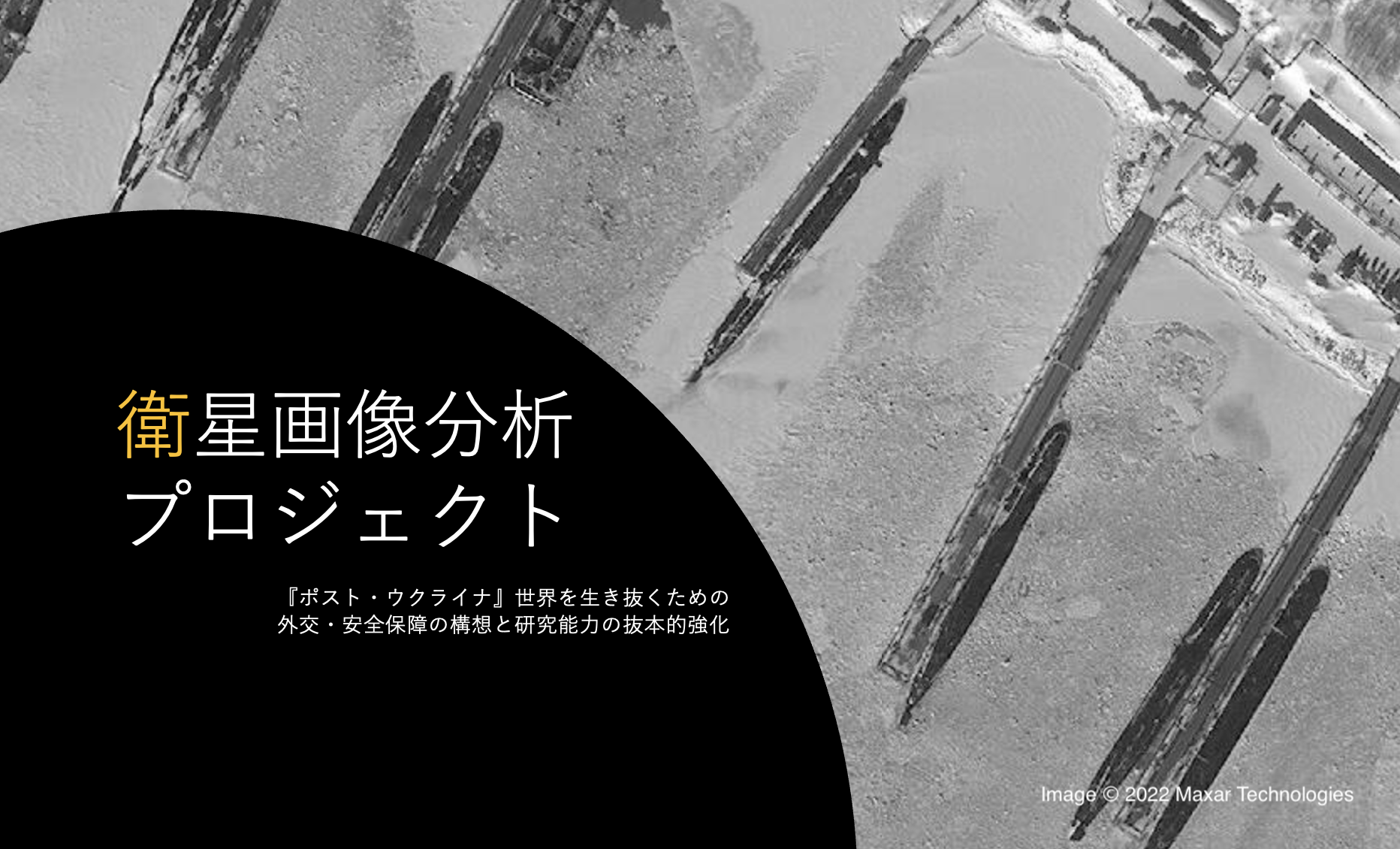
"Satellite Imagery Analysis for Security Policy Research" Working Group

"Russian Domestic Politics" Sub Group
Members
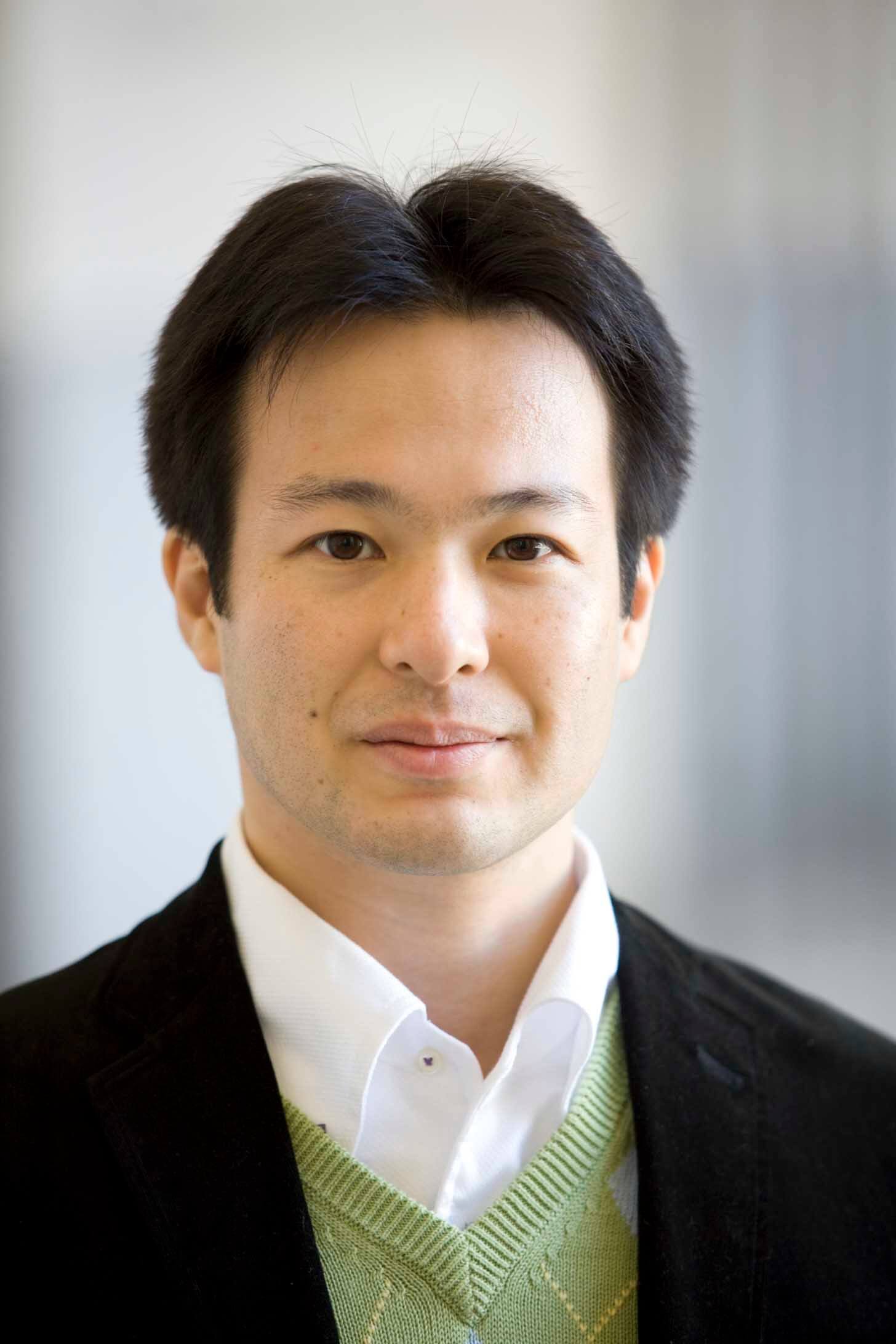
IKEUCHI, Satoshi
Satoshi Ikeuchi is Professor of the Division of Religion and Global Security at the Research Center for Advanced Science and Technology (RCAST) of the University of Tokyo. He is the founding chairperson of the RCAST Open Laboratory for Emergence Strategies (ROLES).
He is a scholar on Islamic political thought and the Middle East politics. As a leading public intellectual in Japan, he has been vigorously publishing on the Middle East and Islamic affairs.
His first publication based on his doctoral studies, Gendai Arabu-no Shakai Shiso: Shumatsuron-to Isramu-shugi (Contemporary Arab Social Thought: Eschatology and Islamism), was published in 2002 and earned Osaragi Jiro Prize for Critical Works. He also earned Suntory Prize for Social Sciences and Humanities in 2009 for his book Islamu Sekai-no Ronjikata (Methods of Discussing Islam).
His book on the Islamic State Isulamu Koku no Shogeki (The Impact of the Islamic State) published in January 2015 was a nation-wide best seller in Japan and awarded Mainichi Publishing Cultural Prize. His recent publication includes Saikusu Piko Kyotei: Hyakunen no Jubaku (Sykes-Picot Agreement: One Hundred Years of Obsession) in 2016 and Shiiaha to Sunniha (Shite and Sunnite) in 2018 both published from Shinchosha. He is the recipient of the 12th Nakasone Yasuhiro Prize in 2016 for his academic works and social engagements.
His collection of literary essays and book reviews Shomotsu not Unmei (The Fate of Books) published in 2006 and earned Mainichi Book Review Award for the year.
He was a visiting professor at the Alexandria University 2007-2008, Japan Scholar chair visiting scholar at the Woodrow Wilson International Center for Scholars in 2009 and Visiting Fellow at the Clare Hall, University of Cambridge in 2010.
For the year 2022-2023, he was Senior Visiting Scholar in Residence at the Moshe Dayan Center (MDC) for Middle Eastern and African Studies of Tel Aviv University. He was also affiliated with the Institute for National Security Studies (INSS) as a Senior Visiting Fellow on July 2023.

KAJI, Ichiro Ph.D.
Ichiro Kaji is a Project Researcher of Research Center for Advanced Science and Technology (RCAST), the University of Tokyo.
His research focuses on the provisions of the Japan-US Security Treaty, especially Article X which defines the duration of the treaty. He is currently building an online database of historical records of Japan-US relations on ROLES website.
He obtained his Ph.D. in Law and Politics from Osaka University in 2021. He was a Specially Appointed Fellow at Center for the Study of Co*Design, Osaka University(2018-2021).
Degree
Ph.D. (March 2021, Osaka University)
Professional Experience
Apr, 2021 - : Project Researcher, Research Center for Advanced Science and Technology, The University of Tokyo
Apr, 2021 - Mar, 2023: Invited Researcher, Center for Co-Design, Osaka University
Jun, 2018 - Mar, 2021: Project Researcher, Center for Co-Design, Osaka University
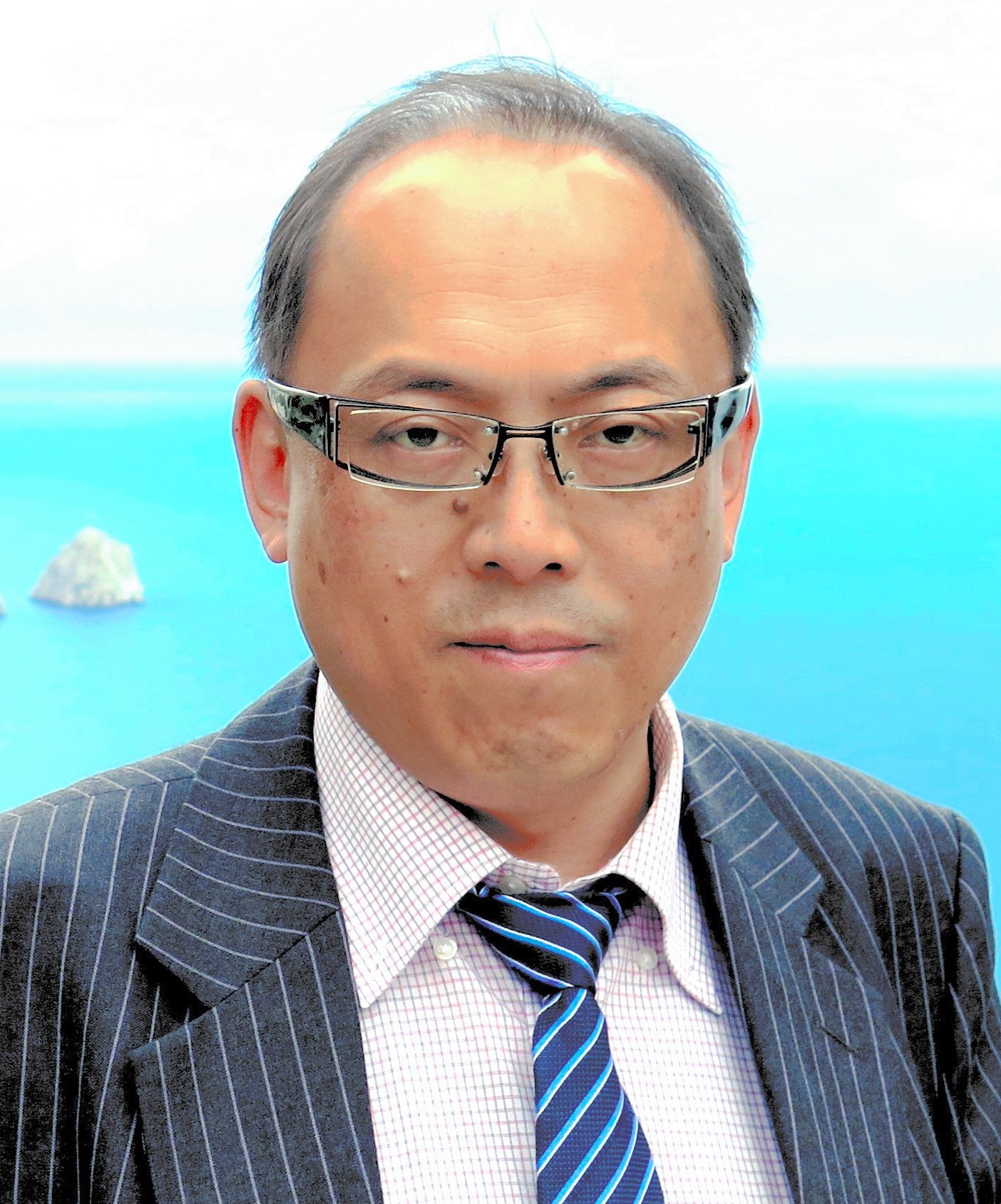
KUNISUE, Norito
Publications
2026.05.09 (Sat.)
Paper
Maria TANAKA “Unpacking China's Response to Russia's Invasion of Ukraine: Strategic Ambiguity, Conflict Mediation, and the Rise of the Global South”(ROLES Report No.72)
2025.12.19 (Fri.)
Report
Policy Recommendation on Japan's Middle East Regional Policy
2025.03.17 (Mon.)
Paper
Maria TANAKA "Insights from the 7th Asia Future Conference ‘Revitalization and Reconnection’" (ROLES REPORT No. 34)
2024.12.30 (Mon.)
Paper
Two Fractional Orbital Bombardment Systems: Comparing space bombardment systems of China and the Soviet Union (ROLES REPORT No.33)
2024.09.18 (Wed.)
Commentary
New activities found in Novaya Zemlya, the Russia's nuclear test site island (ROLES SAT ANALYSYS No.10)
2024.08.02 (Fri.)
Commentary
Chinese Air Force Deployment to Russian Arctic (ROLES SAT ANALYSIS No. 9)
2024.07.19 (Fri.)
Commentary
China’s activities in the South China Sea (ROLES SAT ANALYSIS No.8)
2024.06.22 (Sat.)
Commentary
Moves to conduct nuclear tests in China – Image analysis of the Lop Nur nuclear test site – (ROLES SAT ANALYSIS No. 7)
2023.12.19 (Tue.)
Commentary
ROLES SAT ANALYSIS No.2 China’s ICBM Silo Constructions In Hami Area (2)
2023.11.27 (Mon.)
Commentary
ROLES SAT ANALYSIS No.1 China’s ICBM Silo Constructions In Hami Area (1)