

ROLES Research Caucus on Eurasia: Continental Asia-Europe

In the year 2026, the organization of researchs at ROLES was realigned. Now, we have two caucuses, basically congregations of scholars based on regions each of them are primarily focused. 

The “Eurasia Research Caucus” will utilize insights and methodologies derived from a network of regional scholars to examine international relations surrounding the global land corridors connecting Inner Asia and continental Europe. By applying and deepening theoretical perspectives from international politics, we will interpret these relationships as dynamics rooted in the intrinsic logic of each region, identify opportunities for Japan’s engagement, and make policy recommendations.

Research Unit "Indigenous Logic of the Regions of Eurasia"
Research Unit "Security Cooperation Mechanisms"


Working groups
Research Unit on "Indigenous Logic of the Regions of Eurasia"
The research Unit on "Indigenous Logic of the Regions of Eurasia"unit will examine the international relations of the states in Eurasia under authoritarian regimes, with focus on China. Particular emphasis will be placed on observing and analyzing not only individual countries and regions but also the relationships among those countries and regions. In addition, the Southeast Asia as a region is included in the focus area of this unit. The commplex dynamics of regional and subregional relations cannot be explained solely by the effect caused by the great power politics, such as U.S.-China confrontation and Sino-Russian cooperation.

Research Unit on "Security Cooperation Mechanisms"

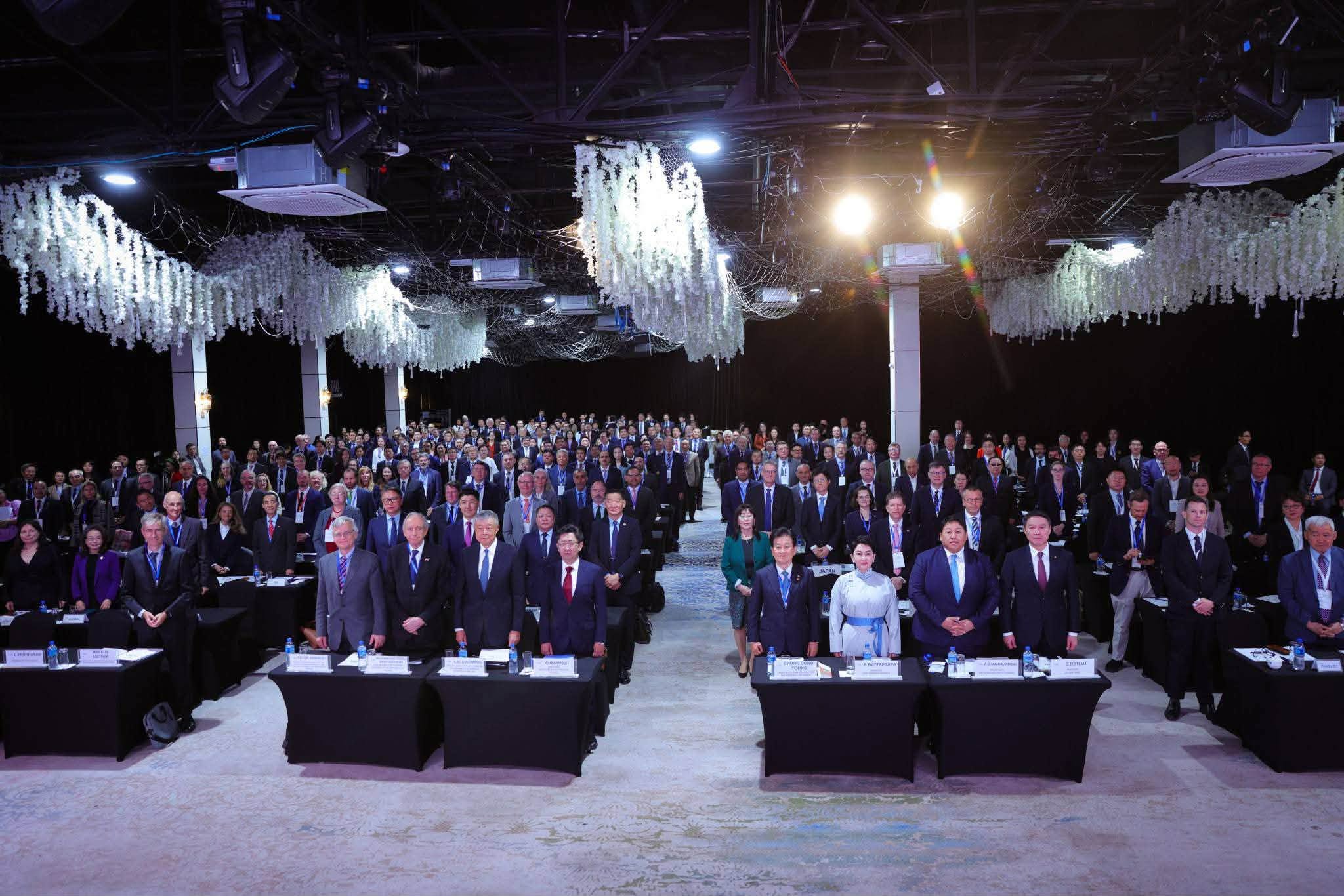
"Security Cooperation Mechanisms" research unit examines the possibility of confidence-building and security dialogues in Asia. 2025 marked the 50th anniversary of the Helsinki Final Act of the CSCE Helsinki Summit in 1975. In this occasion, this unit co-organized with Mongolian NSC's think tank ISS an international conference commemorating the birth of this framework which eventually evolved into an overarching security dialogue mechanism. It is about time to start thinking about similar inclusive security dialogue mechanisms in Asia.

[KAKENHI] Project on the Formation and Transformation of Historical Perceptions in Russia, China, North Korea, and Mongolia through Interactions within East Asia

【日本語サイトはこちら】Prof. Satoshi IKEUCHI coorganizes KAKENHI the Grant-in-Aid for Scientific Research (B) project “The Formation and Transformation of Historical Perceptions in Russia, China, North Korea, and Mongolia through Interactions within East Asia” (Project/Area Number 26K00309), led by Prof. Satoru MIYAMOTO,  the Principal Investigator of this project and Professor at the Faculty of Political Science and Economics ofv Seigakuin University. Prof. MIYAMOTO is concurrently Visiting Senior Fellow of RCAST of the University of Tokyo and Senior Associate Member of ROLES.This project was selected and adopted as Grant-in-Aid for Scientific Research B for the preiod of fiscal year 2026-2029 (ending in March 2030) .ROLES will collaborate with this KAKENHI project to co-host academic exchanges with major research institutions in Inner Asia and Eurasia, such as the National University of Mongolia and the University of World Economy and Diplomacy(UWED) of Uzbekistan. Through this collaboration, ROLES will explore avenues for Japan to engage in policy and strategic dialogue with these countries and regions as well.Secretariat of the KAKENHI the Grant-in-Aid for Scientific Research (B) project “The Formation and Transformation of Historical Perceptions in Russia, China, North Korea, and Mongolia through Interactions within East Asia” (Project/Area Number 26K00309) is located in Seigakuin University General Research Institute. 

Publications

share