

MOFA Research Grant FY2026-2029: International Cooperation to Enhance the Free and Open International Order based on the Rule of Law

Working groups
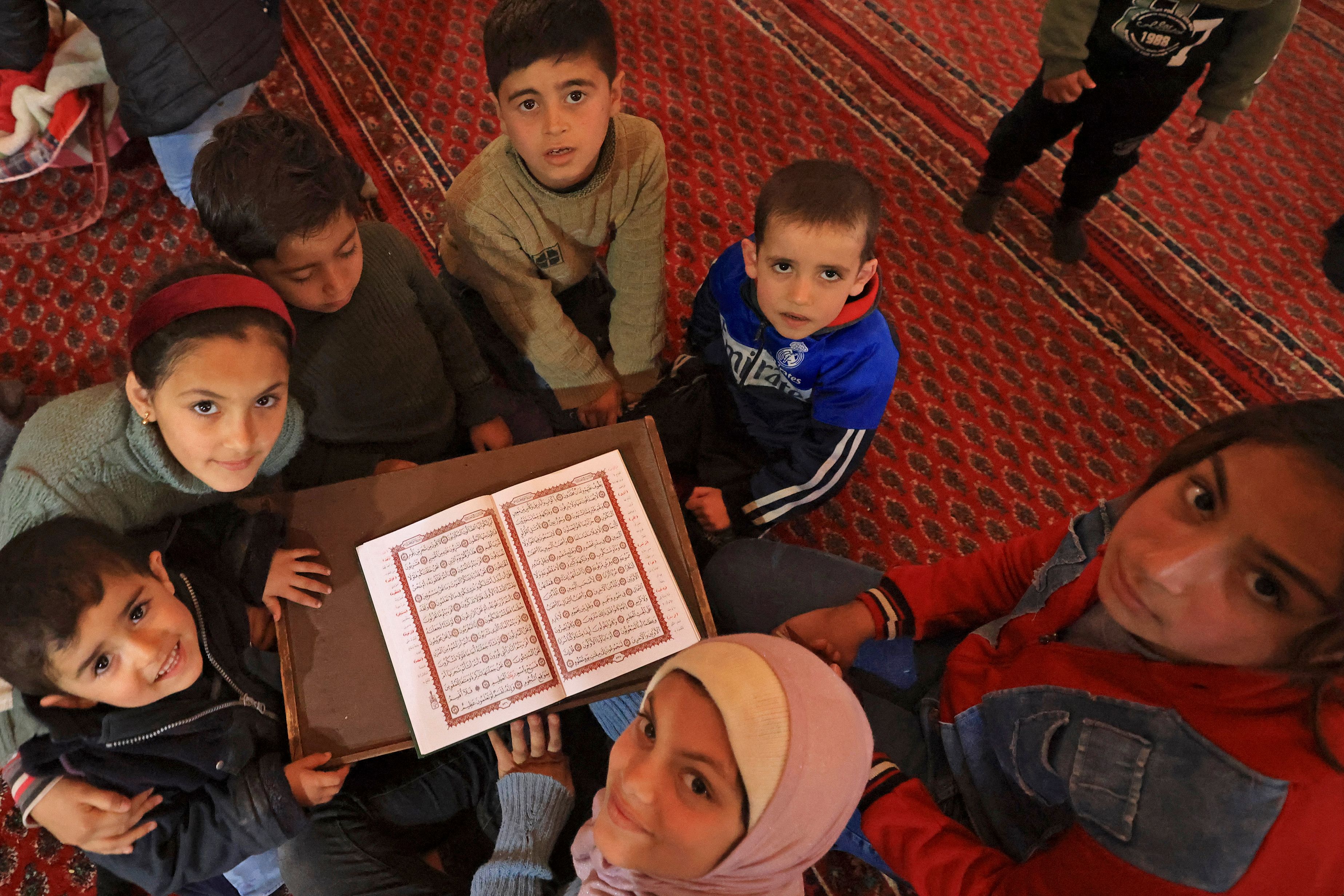
“Multipolarity and Balance in the Middle East and Islamic World” Working Group
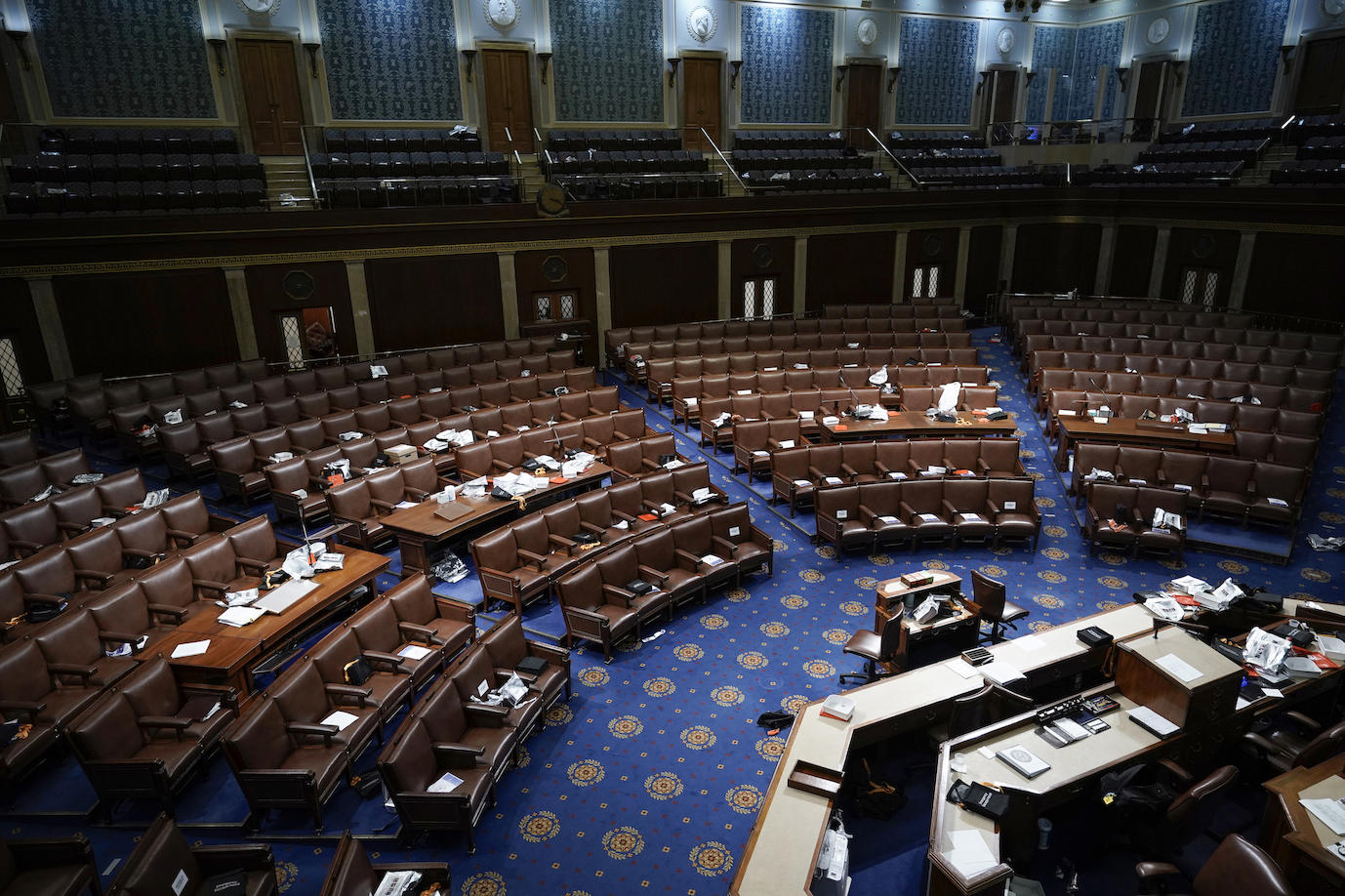
Research Unit on "Disruption and Reformation of Liberal Democracy in America"

"Track 2 / Track 1.5 Dialogues: Policy and Strategic Discussions"

Research Unit on "Empirical Methods of Analyzing Liberal Democracy"
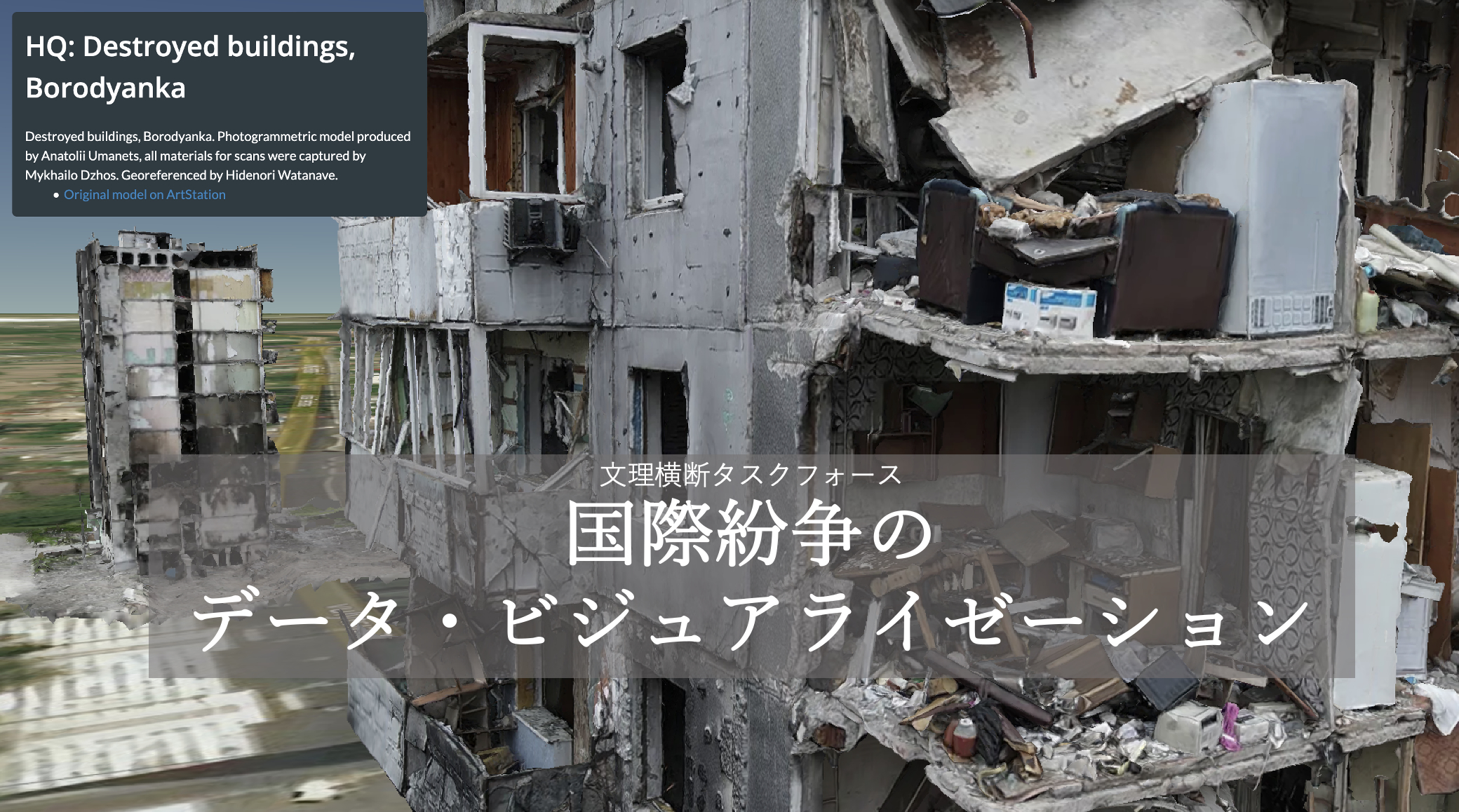
Research Unit on "Advanced Science and Technology and Security"
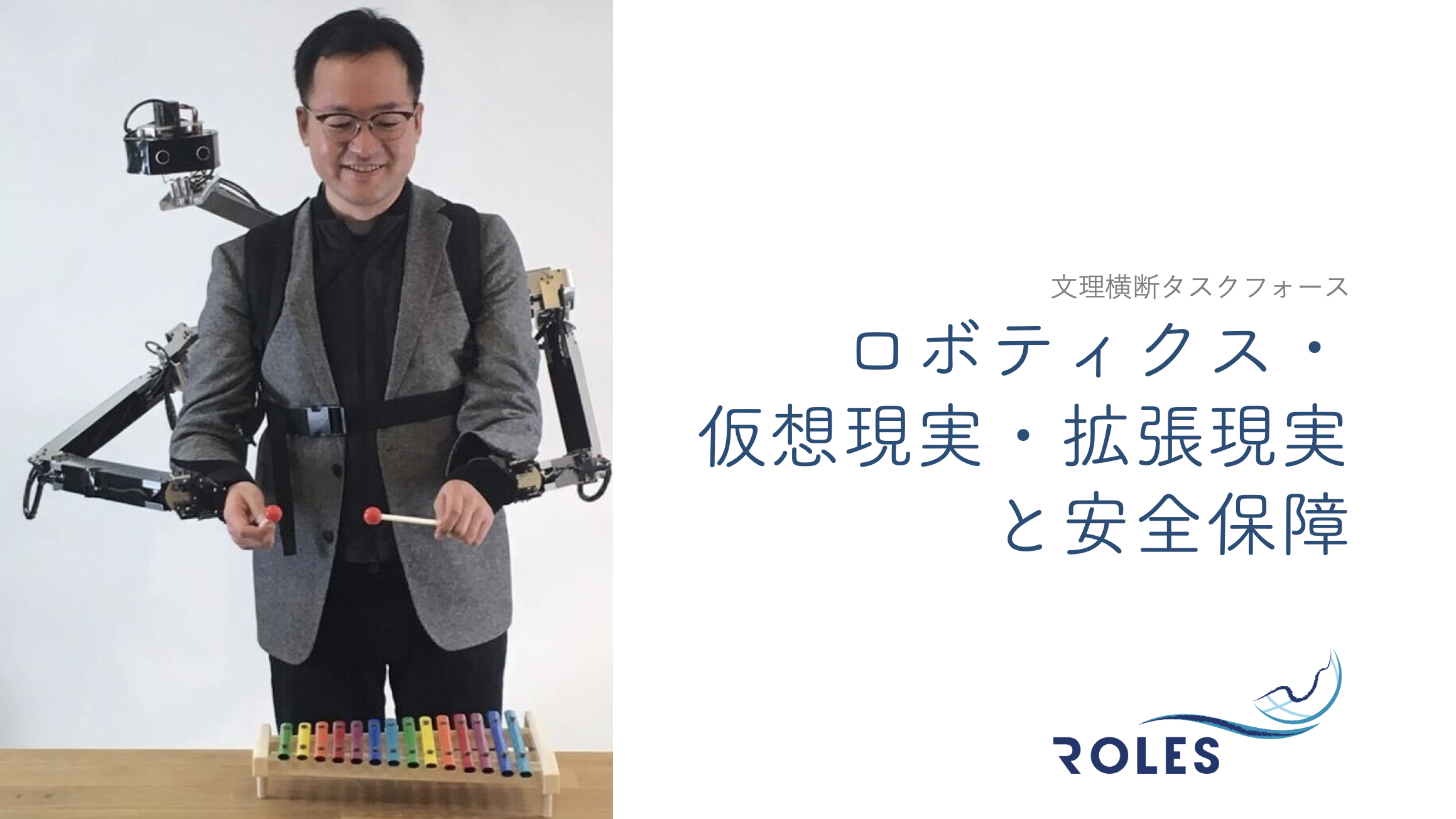
"Robotics, Virtual and Augmented Reality, and Security" Working Group
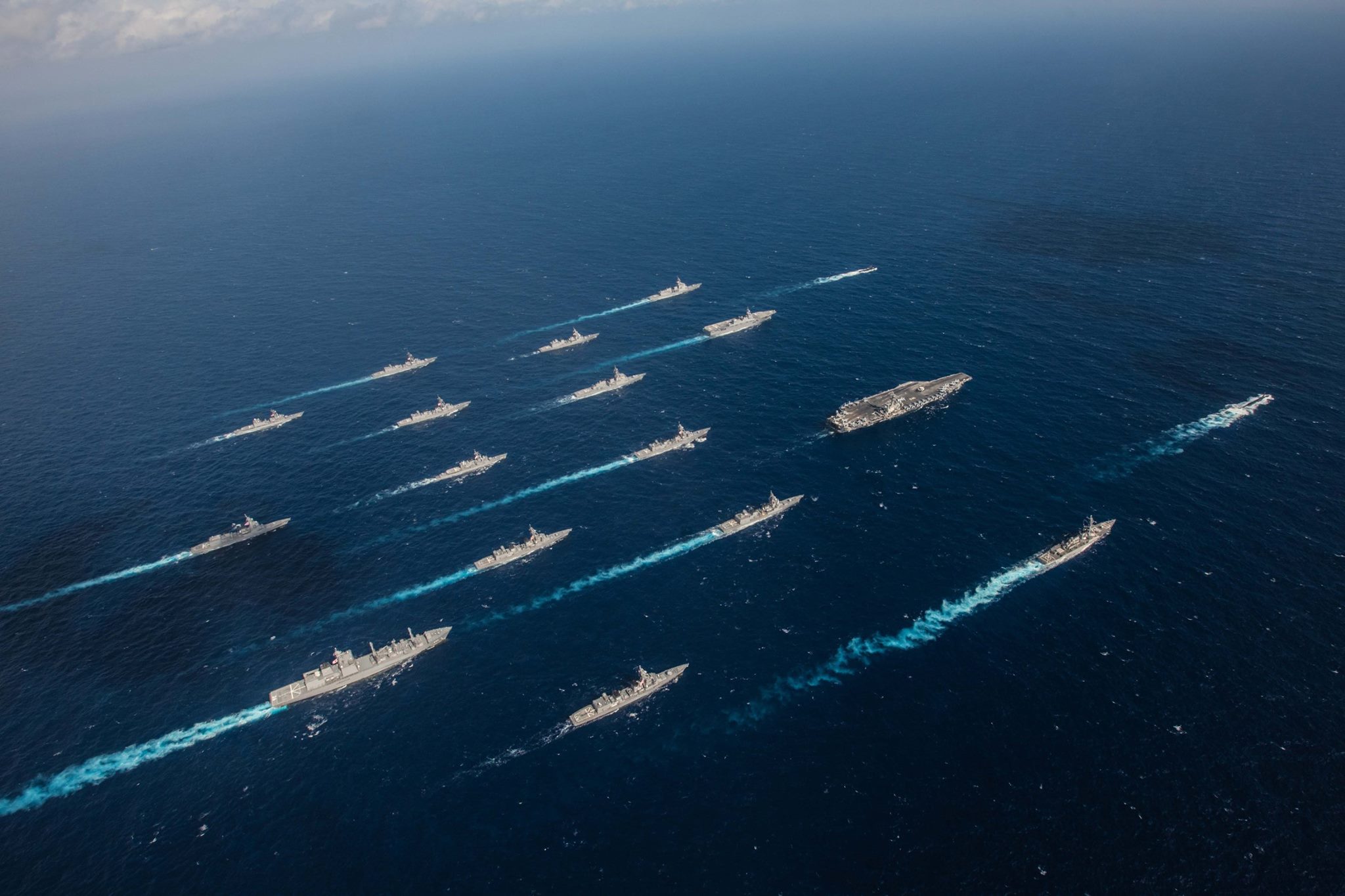
UTokyo ROLES Survey SAFER Project
Activity records
Members
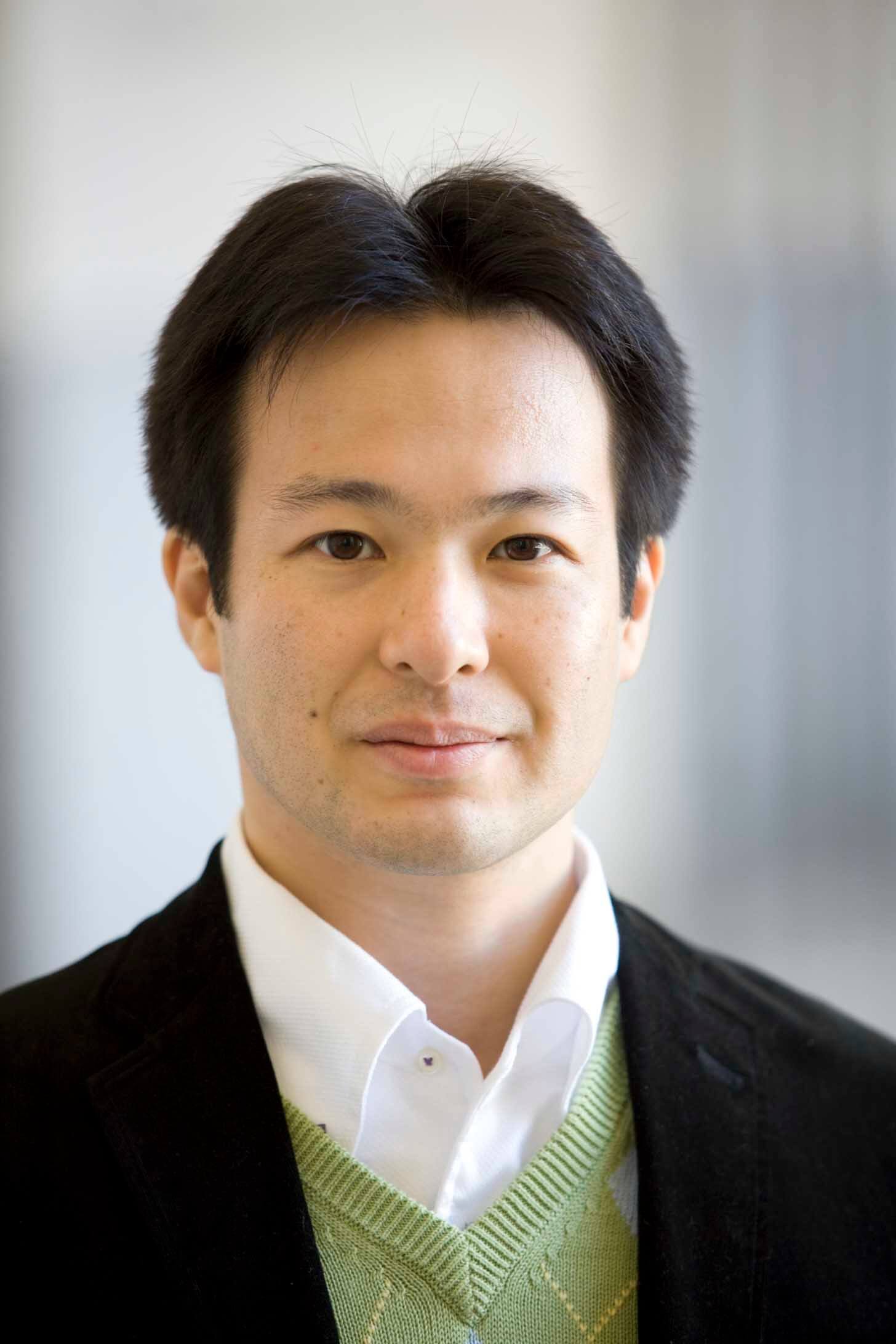
IKEUCHI, Satoshi
Satoshi Ikeuchi is Professor of the Division of Religion and Global Security at the Research Center for Advanced Science and Technology (RCAST) of the University of Tokyo. He is the founding chairperson of the RCAST Open Laboratory for Emergence Strategies (ROLES).
He is a scholar on Islamic political thought and the Middle East politics. As a leading public intellectual in Japan, he has been vigorously publishing on the Middle East and Islamic affairs.
His first publication based on his doctoral studies, Gendai Arabu-no Shakai Shiso: Shumatsuron-to Isramu-shugi (Contemporary Arab Social Thought: Eschatology and Islamism), was published in 2002 and earned Osaragi Jiro Prize for Critical Works. He also earned Suntory Prize for Social Sciences and Humanities in 2009 for his book Islamu Sekai-no Ronjikata (Methods of Discussing Islam).
His book on the Islamic State Isulamu Koku no Shogeki (The Impact of the Islamic State) published in January 2015 was a nation-wide best seller in Japan and awarded Mainichi Publishing Cultural Prize. His recent publication includes Saikusu Piko Kyotei: Hyakunen no Jubaku (Sykes-Picot Agreement: One Hundred Years of Obsession) in 2016 and Shiiaha to Sunniha (Shite and Sunnite) in 2018 both published from Shinchosha. He is the recipient of the 12th Nakasone Yasuhiro Prize in 2016 for his academic works and social engagements.
His collection of literary essays and book reviews Shomotsu not Unmei (The Fate of Books) published in 2006 and earned Mainichi Book Review Award for the year.
He was a visiting professor at the Alexandria University 2007-2008, Japan Scholar chair visiting scholar at the Woodrow Wilson International Center for Scholars in 2009 and Visiting Fellow at the Clare Hall, University of Cambridge in 2010.
For the year 2022-2023, he was Senior Visiting Scholar in Residence at the Moshe Dayan Center (MDC) for Middle Eastern and African Studies of Tel Aviv University. He was also affiliated with the Institute for National Security Studies (INSS) as a Senior Visiting Fellow on July 2023.

NAKAI, Ryo
(Division of Global Security & Energy Transition / Comparative Political Dynamics).
Specialised in comparative politics (party politics and elections, nationalism and ethnopolitics).
Obtained PhD in 2012. He worked as an assistant at Waseda University, a JSPS Research Fellow, an assistant professor at Rikkyo University and associate professor at the Department of Policy Studies, The University of Kitakyushu before assuming his current position on April 1, 2024.
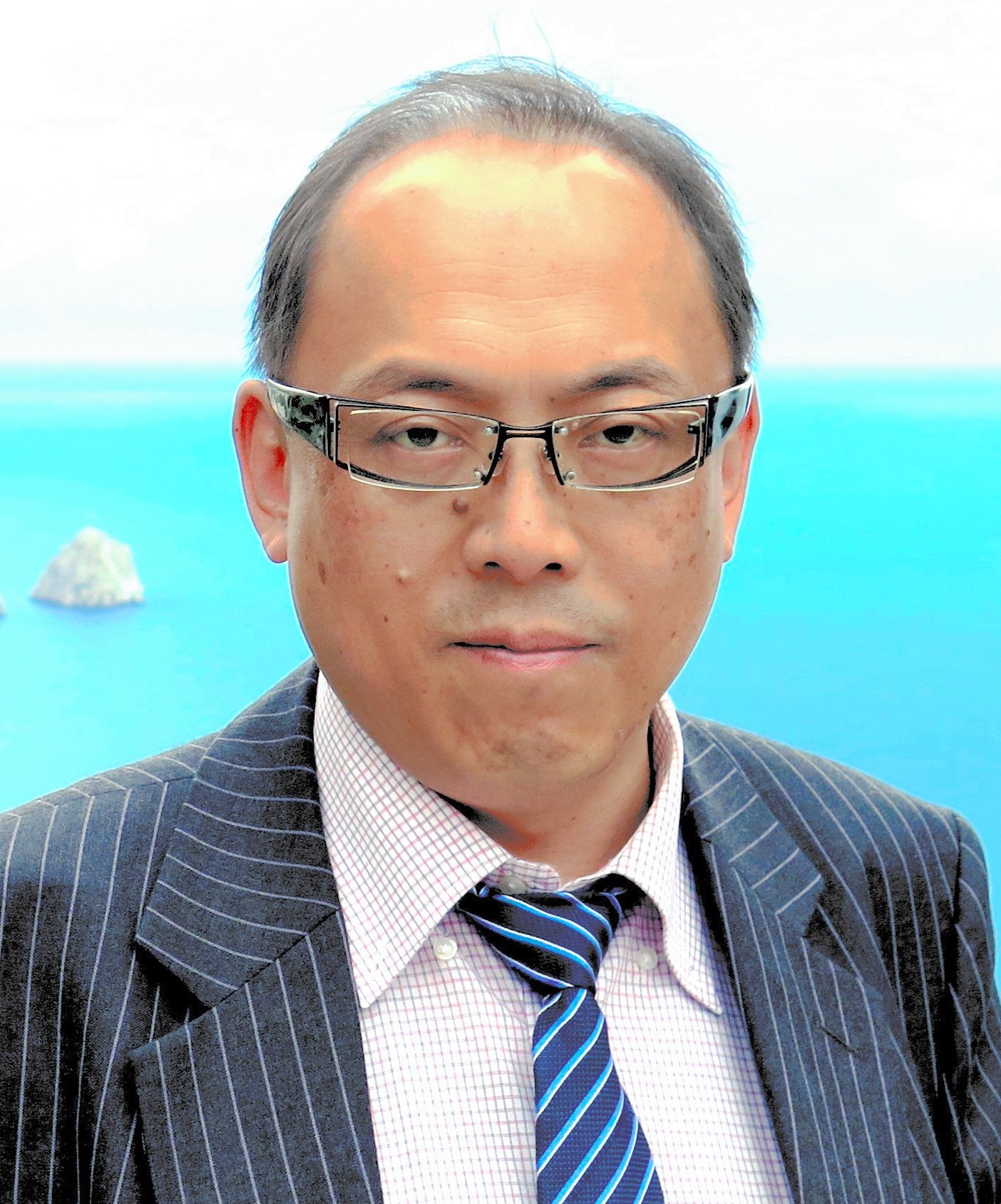
KUNISUE, Norito

MIYAJIMA, Akio
Advisor of Division of Religion and Global Security, RCAST of the University of Tokyo
Akio Miyajima is a former diplomat who was Japanese Ambassador to Turkey and Ambassador to Poland.
Born in Kanazawa in Ishikawa Prefecture, he graduated from Waseda University's Faculty of Political Science and Economics. He entered the Ministry of Foreign Affairs of Japan in 1981 and served there until October 2024. He holds a M.A. degree in International Relations from Yale University.
He was Special Advisor to the Governor on International Affairs at Tokyo Metropolitan Government (July 2014 – February 2016) while Tokyo was preparing to host the 2020 Olympic Games.
He is Advisor of Division of Religion and Global Security of the Research Center for Advanced Science and Technology (RCAST) of the University of Tokyo. He is concurrently Senior Advisor to RCAST Open Laboratory for Emergence Strategies (ROLES) since July 2025.
[日本語 Japanese]
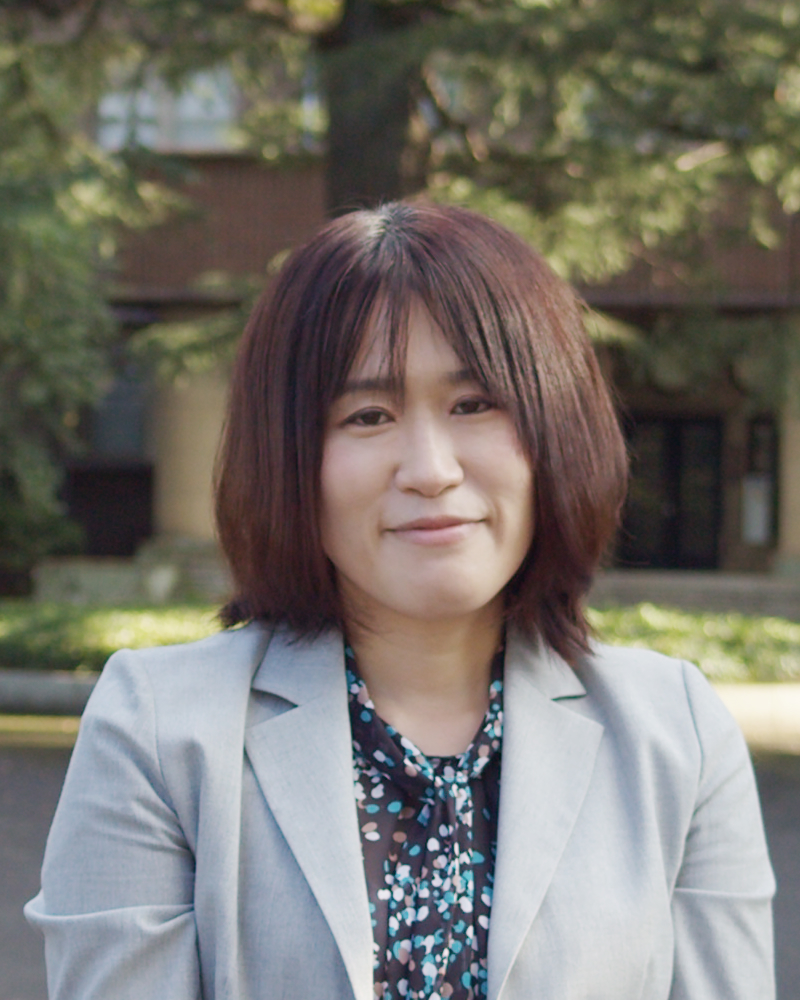
ITO, Wakako Ph.D.
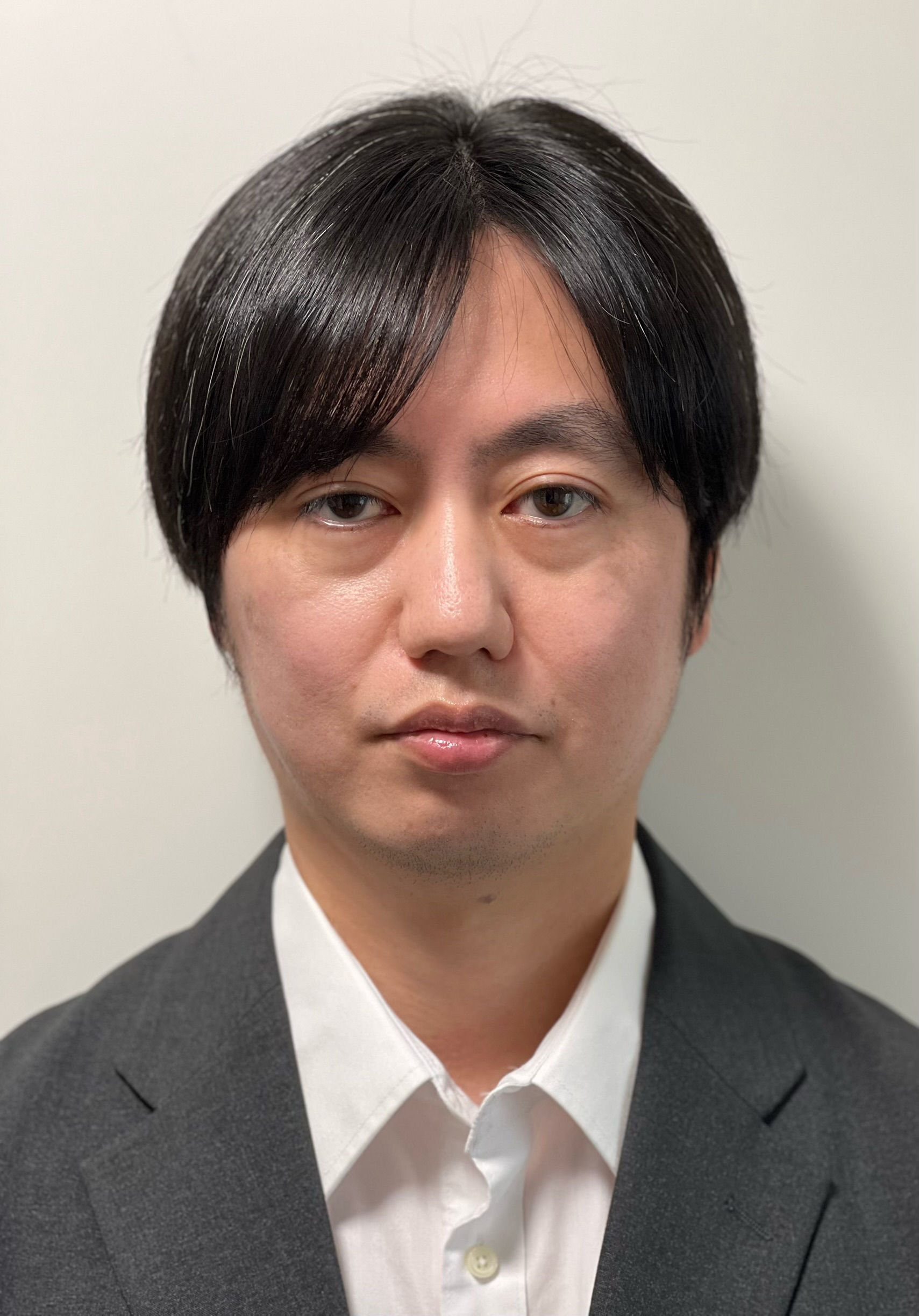
KOBAYASHI, Hiroyuki
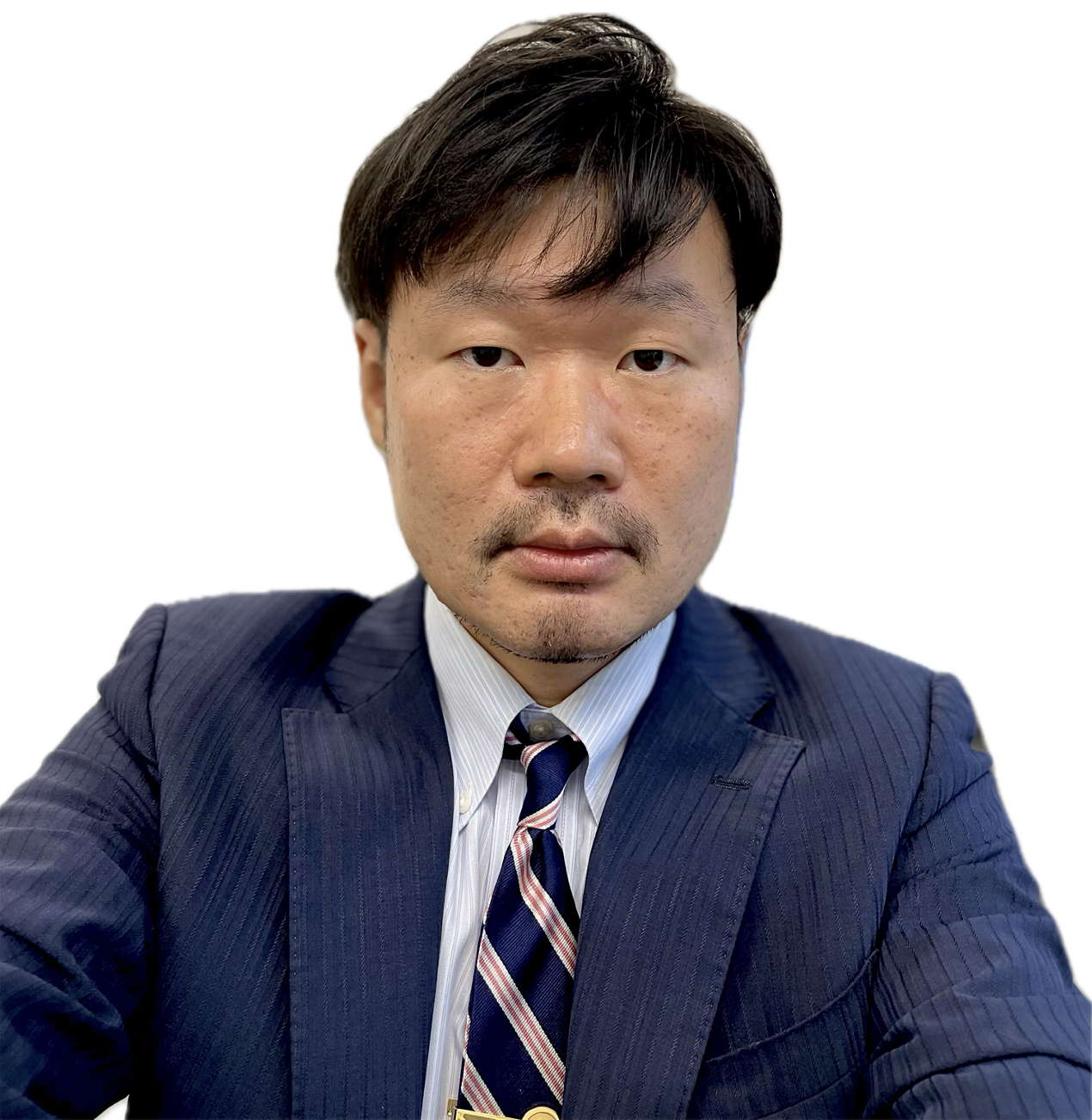
UCHIDA, Shu
Ph.D. in International Public Policy (Osaka University)
-Non-Resident Senior Research Fellow, Oxford Geopolitics Initiative, based in the University of Oxford
-Refugee Examination Counsellor, Immigration Services Agency of Japan, Ministry of Justice
Specialized in international relations, conflict studies, European & former Soviet studies.
Dr. Shu Uchida Joined the University of Tokyo RCAST as a project researcher after diverse professional experiences in diplomacy and academia, including service as an Attaché at the Embassy of Japan in Georgia; a Short-Term Observer for an OSCE/ODIHR mission; a Visiting Fellow at the Davis Center for Russian and Eurasian Studies, Harvard University; a Marie Skłodowska-Curie Fellow of the European Union at the Centro de Estudos Sociais, Universidade de Coimbra; and an Assistant Professor at the Organization for Regional and Inter-regional Studies, Waseda University.
online CV is available here

NAGAI, Yosuke
Associated Researcher of RCAST, The University of Tokyo
Visiting Fellow, The Strategy, Statecraft, and Technology (Changing Character of War) Centre (SST-CCW), The University of Oxford
Areas of Expertise:
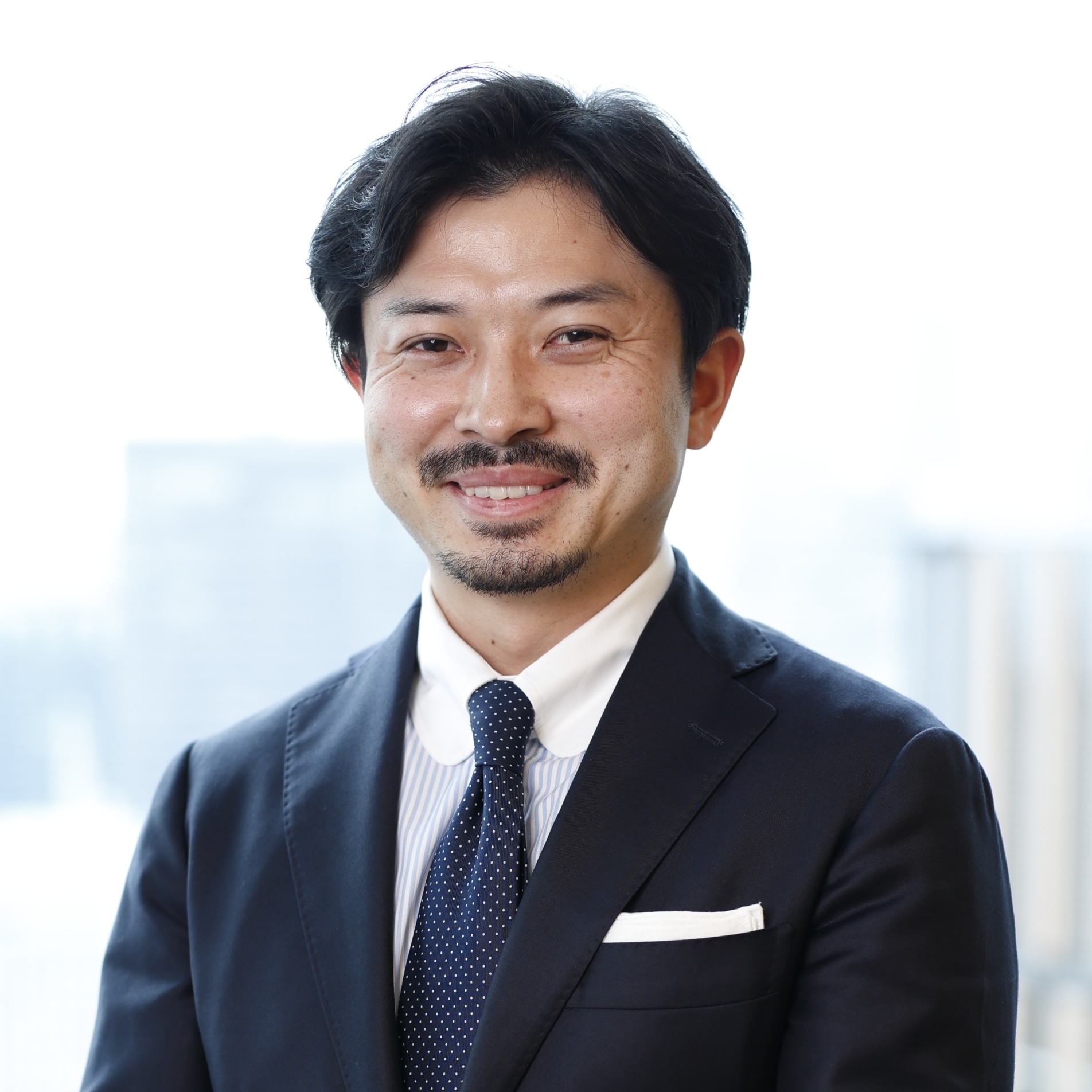
SHIGENOI, Koki
Associated Researcher of RCAST, The University of Tokyo
Visiting Researcher, Graduate School of Interdisciplinary Information Studies, The University of Tokyo
Visiting Research Fellow, Institute of Geoeconomics (IOG)
Areas of Expertise:
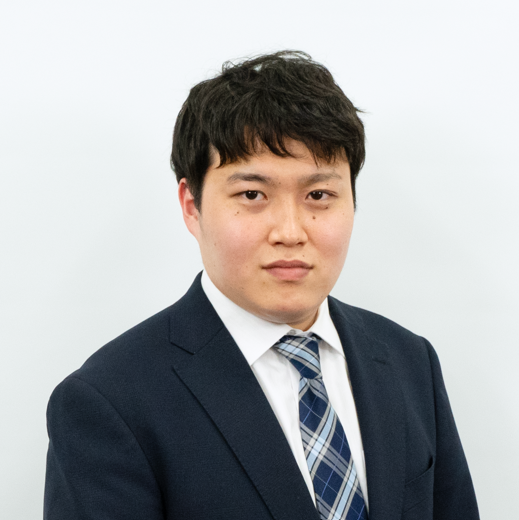
TOYODA, Kohei
Associated Researcher of RCAST, University of Tokyo
Working Group 2 on Middle Eastern and Islamic Alternatives
Twitter: @toyodadesuyo

KAWASHIMA, Shin
Senior Associate Member of ROLES
Shin Kawashima is the professor of the Department of International Relations, the Graduate School of Arts & Sciences, the University of Tokyo.
His research covers Chinese/Taiwanese diplomatic history and the contemporary international relations in East Asia. His first book, Formation of Chinese Modern Diplomacy (2004) was awarded the Suntory Academic Prize in 2004. He received Foreign Minister’s Award in 2023.
Aside from his academic positions, he is involved in policy think tanks, including Nakasone Peace Institute (NPI) as Executive Director of Research. and JICA Ogata Sadako Research Institute for Peace and Development as Visiting Fellow. He is Senior Associate Member of ROLES and has been committed to ROLES activities since its establishment in 2020 as a group leader of several research groups on China, Eurasia and the Indo-Pacific.
He earned his Ph.D. in Literature from Graduate School of Humanities and Sociology, the University of Tokyo in 2000. He was an associate professor at Hokkaido University (1998-2006) and at the University of Tokyo (2006-2015), and then as professor in 2015.
He was engaged in education and research at Institute of Modern History, Academia Sinica (Taipei), Beijing Center for Japanese Studies, Peking University, National Chengchi University (Taipei), and Woodrow Wilson International Center for Scholars.
He is Visiting Professor at the International Research Center for Japanese Studies (Nichibunken) appointed in 2026.
Ryosei Kokubun, Yoshihide Soeya, Akio Takahara, Shin Kawashima, Japan–China Relations. in the Modern Era, Routledge, 2017.
Shin Kawashima, “War in Ukraine from China’s Perspective: Limited Options for State that Cannot Reject Existing Policies”, Asia Pacific Review, 2022, 29(2), pp. 35–55
Shin Kawashima, “Taiwan and International Relations in the Western Pacific”, in Kitaoka. Shinichi, eds., A Western Pacific Union: Japan’s New Geopolitical Technology, Japan Publishing Industry Foundation for Culture, 2023, p. 372-405.
Shin Kawashima, “Historical Policy of the Xi Jinping Administration: Four Histories and “Ma Project”, Asia Pacific Review, vol.28-2, pp.57-76
Shin Kawashima, “Chinese New Terminology: “World Order” and “International Order”, in. Axel Berkofsky and Giulia Sciorati eds., Mapping China’s Global Future: Playing Ball or Rocking the Boat?, ISPI Report, p.37-49.
Shin Kawashima’s articles published at Think China (Singapore online media)
https://www.thinkchina.sg/shinkawashima (Shin Kawashima’s page)
Shin Kawashima’s articles published at The Diplomat (Australian online media)
https://thediplomat.com/search?gcse=shin+kawashima (Shin Kawashima’s articles)
Shin Kawashima’s articles published at Discuss Japan (Japanese online media)
https://www.japanpolicyforum.jp/?s=shin+kawashima&submit=Search
(Shin Kawashima’s articles)
Shin Kawashima’s articles published at nippon.com (Japanese online media)
https://www.nippon.com/en/search.html?s=shin%20kawashima
(Shin Kawashima’s articles)
Shin Kawashima’s articles published at East Asian Forum (online media)
https://www.eastasiaforum.org/index.php?s=shin+kawashima
(Shin Kawashima’s articles)

Umid MAHMUDOV, Ph.D.
Doctor of Political Science
Fields of expertise: International Relations, International Politics, Central Asian Studies, Japan–Central Asia Relations, and Uzbekistan’s Foreign Policy
[Short Bio]
Umid Mahmudov is a prominent Uzbek political scientist specializing in international relations, international politics, and Central Asian studies. After graduating from the Tashkent State Institute of Oriental Studies, he completed his master’s and doctoral studies at Hosei University in Japan, where he earned a doctorate in political science.
His research focuses on Japan’s post-Cold War policy toward Central Asia, the “Central Asia plus Japan” Dialogue, the role of Russia and China in Japan’s Central Asia diplomacy, the conceptual transformation of Uzbekistan’s foreign policy, and the evolving structure of the Eurasian international order. He has held teaching and research positions at Hosei University, Tama University, the International Islamic Academy of Uzbekistan, and the Center of Islamic Civilization in Uzbekistan.
He currently serves as Rector of Diplomat University, where he contributes to the training of highly qualified specialists in diplomacy and international relations, the advancement of international academic cooperation, and the strengthening of intellectual ties between Japan and Central Asia.
[日本語 Japanese]

Seyed Ali Alavi
Co-Chair of the Centre for Iranian Studies of SOAS
Senior Associate Member of ROLES
Dr Seyed Ali Alavi is currently Assistant Professor of the College of Humanities of the SOAS, University of London and Co-Chair of the Centre for Iranian Studies of SOAS. He has devoted himsdelf to the rigorous exploration of Middle East Studies and Global Foreign Policy Analysis.
Dr Seyed Ali leads the MA Iranian Studies programme, a distinguished course of study uniquely available through the School of Languages, Cultures, and Linguistics at SOAS.
He is also teaching modules of a wide variety of topics at SOAS, such as Remapping Area Studies in Asia, Africa, and the Middle East, alongside other courses on Iran: History, Culture, and Politics, Palestine Studies, and Decolonising Otherness.
For details, please see his biography, profile and published works on the SOAS website.
[日本語 Japanese]

DELAMOTTE, Guibourg
Visiting Senior Research Fellow, RCAST of the University of Tokyo
ROLES Senior Associate Member
Areas of Expertise:
Security and International Relations in Asia
Japanese Foreign and Defense Policies
Japanese Internal Politics and Political System
Guibourg was a Visiting Associate Professor at the Tokyo College of the University of Tokyo, from October 1, 2021 to September 30, 2022. Her in-person stay in Tokyo was from July to August 2022 and she gave an intensive lecture course at the Graduate School of Public Policy (GraSPP) of the University of Tokyo in early August.
Guibourg was Visiting Fellow of the Research Center for Advanced Science and Technology (RCAST) of the University of Tokyo during her visit to Tokyo and participated in research activities and education at the Division of Religion and Global Security of RCAST and in particular ROLES (RCAST Open Laboratory for Emergence Strategies).
Since 2023, as a Full Professor at Inalco, she is concurrently Visiting Senior Research Fellow of RCAST and Associate Research Fellow of Tokyo College.
Her latest books are:
Le Japon, un leader discret - Eyrolles, 2023.
La Democratie au Japon, singuliere et universelle - ENS Ed. 2022.
The Abe Legacy. How Japan has been shaped by Abe Shinzo (coed. J. Brown, R. Dujarric) - Lexington, 2021.
Geopolitique et geoeconomie du monde contemporain. Puissance et conflits (coed. C. Tellenne) - La Decouverte, 2021.
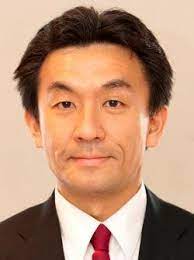
SHINODA, Hideaki
Director, Hiroshima Peacebuilders Center (HPC)
Visiting Senior Research Fellow, RCAST of the University of Tokyo
ROLES Senior Associate Member
Education:
PhD in International Relations, London School of Economics and Political Science (LSE), University of London, UK (1998), MA in Political Science, Waseda University, Japan (1993), BA, Waseda University, Japan (1991).
After working as a part-time teacher at LSE and Keele University, he took a research fellow position at the Institute for Peace Science of Hiroshima University, where he became Associate Professor. Then, he took the current position at the Tokyo University of Foreign Studies in 2013. He has been a visiting scholar at the Lauterpacht Research Centre for International Law, Cambridge University (2000) and at the Center for the Study of Human Rights, Columbia University (2002). He was Visiting Professional at the International Criminal Court (2017).
He is the author of many books and articles including Partnership Peace Operations: UN and Regional Organizations in Multiple Layers of International Security (Routledge, 2024). He has received academic awards including Osaragi Jiro Rondan Award of Asahi Newspaper (2003), Suntory Academic Award (2012), Yomiuri Yoshino Sakuzo Award of Yomiuri Newspaper (2017).
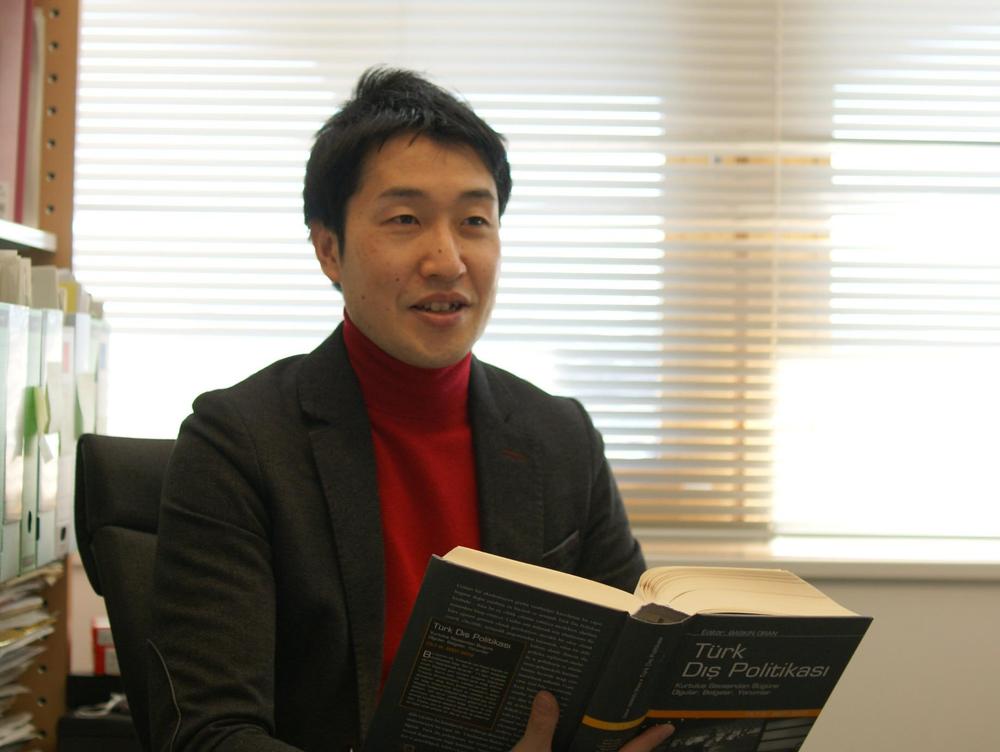
IMAI, Kohei

IWAMA, Yoko
Senior Associte Member of ROLES
Yoko Iwama is Professor of National Graduate Institute for Policy Studies (GRIPS). She is also the director of Security and Strategy Program (SSP) at GRIPS.
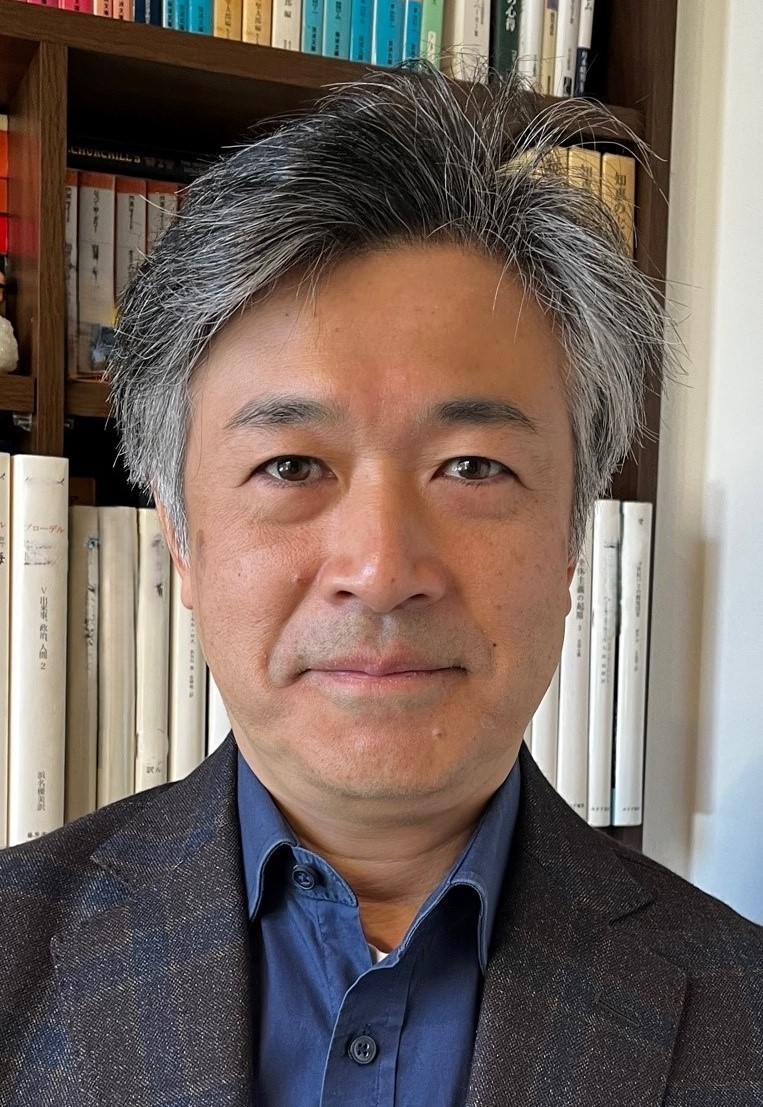
ABE, Toshiya
Senior Associate Member of ROLES

Mohammed Soliman
Senior Fellow at the Middle East Institute
Senior Associate Member of ROLES
Mohammed Soliman is a director at McLarty Associates and a senior fellow at the Middle East Institute. A trained engineer, Mr. Soliman works on strategic and policy issues at the intersection of technology, artificial intelligence, finance, and energy in emerging markets. He is the author of West Asia: A New American Grand Strategy in the Middle East (Polity Press, 2026). Soliman also serves as a non-resident senior fellow at the Foreign Policy Research Institute and a visiting fellow with the National Security Program at Third Way. On X: @thisissoliman
[日本語 Japanese]
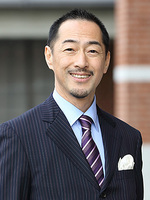
MURATA, Koji
Visiting Senior Fellow of RCAST of the University of Tokyo
ROLES Senior Associate Member
He was Assistant Professor in the Department of Political Science, Faculty of Law, Doshisha University (October 2000 – April 2005) and then Professor (April 2005 – present). He served as Dean of the Faculty of Law of Doshisha University (April 2011 – March 2013) and President of Doshisha University (April 2013 – March 2016).
[日本語 Japanese]
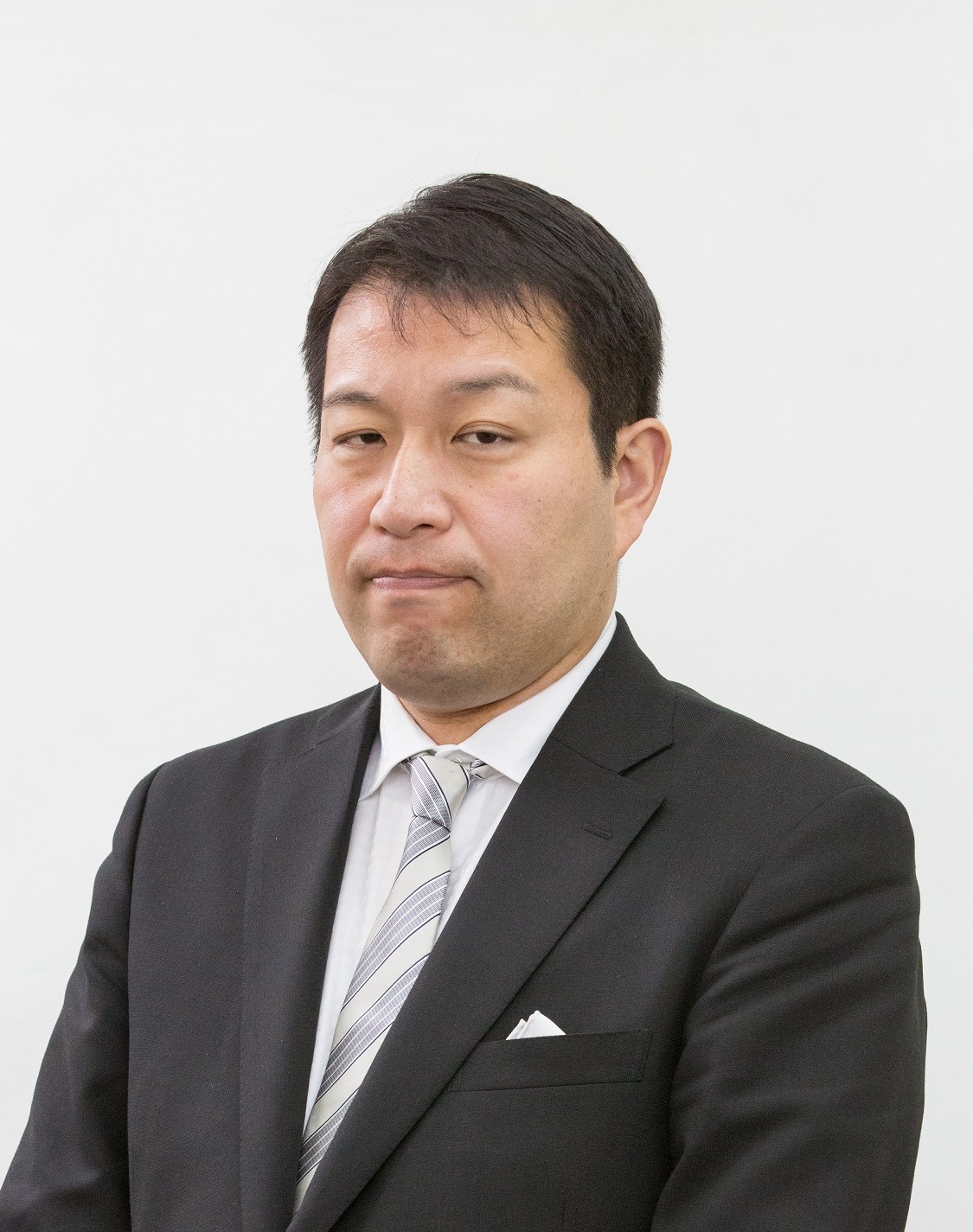
NAKAMURA, Masaki
Areas of specialization: Mongolian constitutional history, comparative law, and legal history
Publications
2026.09.19 (Sat.)
Report
Survey SAFER (Security, Alliance, and Foreign Engagement Research) – Sep 2026
2026.09.02 (Wed.)
Commentary
Kunitaro Inoue "What It Means to Make Films Out of Archives" (ROLES COMMENTARY No. 60)
2026.08.24 (Mon.)
Commentary
Koki Shigenoi "Governing the Visible: Kamal Aljafari’s Cinema and the Politics of Visibility in Palestine"
2026.03.03 (Tue.)
Report
UTokyo ROLES Survey – Mar 2026
2025.09.04 (Thu.)
Report
UTokyo ROLES Survey – Sep 2025
2025.03.14 (Fri.)
Report
UTokyo ROLES Survey – Mar 2025
2024.10.02 (Wed.)
Report
UTokyo ROLES Survey – Oct 2024
2024.05.27 (Mon.)
Commentary
[Conference Papers] Kohei Toyoda "The Future of Energy Cooperation between Japan and the Middle East"
2024.02.28 (Wed.)
Paper
ROLES REPORT No.29 Ryoya ISHIMOTO"Henry Kissinger and Japan: Focusing on the Nixon-Ford Administration Years"
2023.10.12 (Thu.)
Commentary
ROLES INSIGHTS No. 2023-5 : "What the October 7 attack and the Israel-Hamas War means for the Middle East and the World"