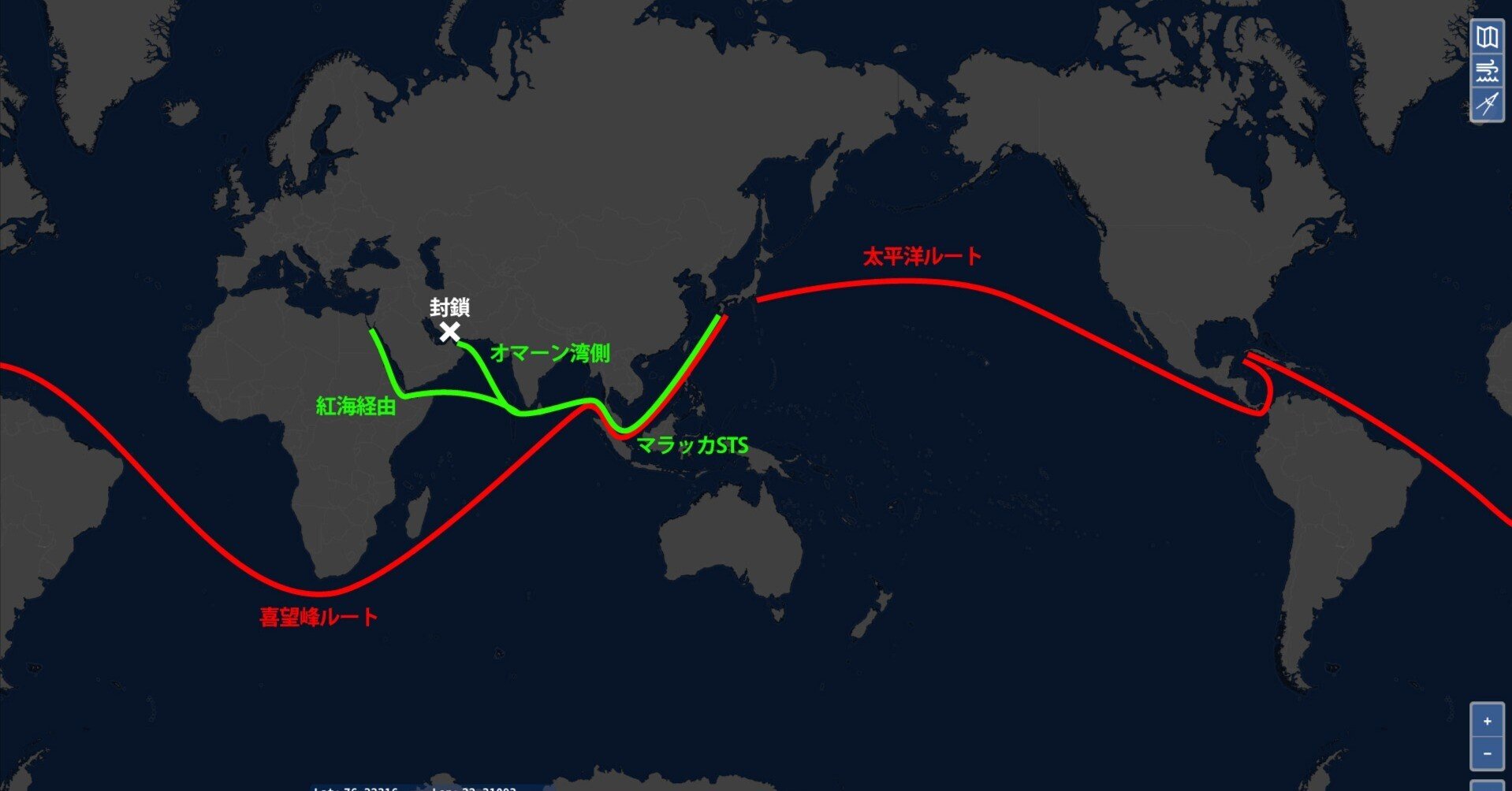
Research Unit on "Japan's Position in the International Energy Order"
This study group will examine ways for Japan to actively participate in forming the international energy order. The group will attempt to understand the conditions Japan finds itself in the international energy order that is shaped by both the competition for technology development and standardization toward decarbonization, market trends in various countries and regions, and geopolitical factors such as the situation in the Middle East and Africa and the war in Russia and Ukraine.
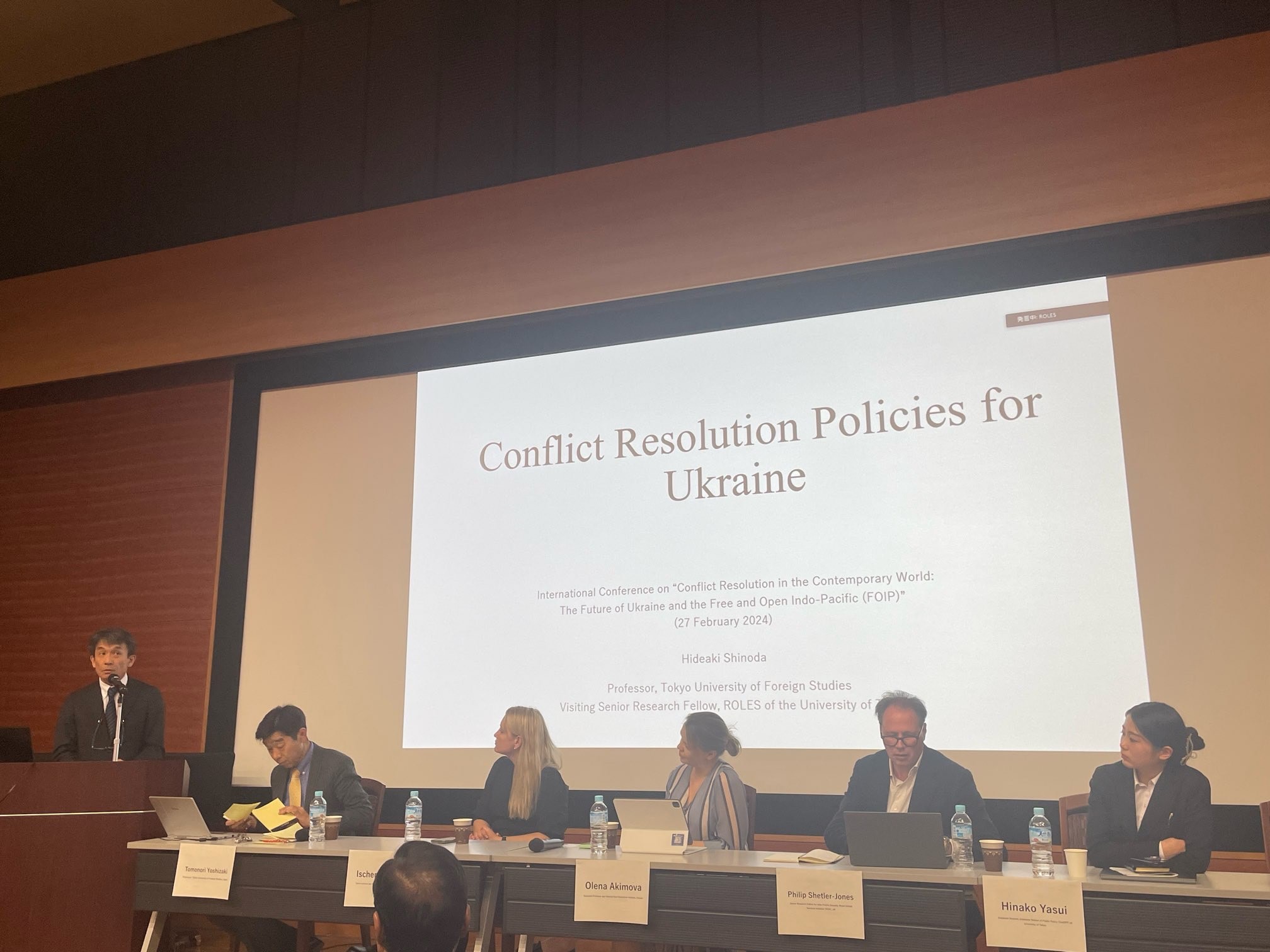
Research Unit on "Theory and Practice of Conflict Resolution"
Purpose The “Theory and Practice of Conflict Resolution” (TPCR) study group will assess the current situation of the theory and practice of conflict resolution by examining various armed conflicts in the contemporary world, ranging from Europe, the Middle East, and Asia. It will take into consideration the linkage between Euro-Atlantic security and Indo-Pacific security, while examining the structural tensions in the contemporary world. The TPCR Study Group will seek to propose new solutions that contribute to conflict resolution and peacebuilding. Theories of conflict resolution, including conflict analysis, mediation, state-building, and peacebuilding, have significantly developed since the end of the Cold War. This development coincided with advancements in policy practices of conflict resolution through military intervention, international peace operations, development, and humanitarian aid. However, the nature of armed conflicts has changed so much for various reasons including the advent of the age of the Global War on Terror. Many ongoing contemporary armed conflicts including the Russo-Ukraine War and the Crisis over Gaza are also posing many challenges to existing theories of conflict resolution. The significant phenomenon of international intra-state conflicts impels us to develop our understanding of armed conflicts. The TPCR Study Group thus examines how new theoretical frameworks can be developed to better reflect the complex reality of contemporary armed conflicts. Practices of conflict resolution, represented by international peace operations, are undergoing drastic changes. While UN peacekeeping missions remain a significant tool, they are no longer exclusively dominant, as there has been a significant reduction in budget and personnel. Various non-UN peace operations, composed of (sub-)regional organizations as well as ad-hoc coalitions of like-minded states, have been frequently established over the last three decades. These partnerships take various forms, and there is a growing need to link conflict resolution operations with international security measures in the age of international intra-state wars, the War on Terror and superpower rivalry. The TPCR Study Group also seeks to identify clues to develop new policies for international peace operations in the changing reality of the world. The first major focus of the TPCR Study Group is the prospects and possibilities of conflict resolution as well as long-term reconstruction plans for Ukraine. The overall structural perspective of the TPCR Study Group is to theorize the linkage between the Indo-Pacific and the Euro-Atlantic and explore new practices of conflict resolution in these regions. The TPCR Study Group will also discuss cases in Africa, the Middle East, South Asia, and East Asia and remain active for at least three years.Activities
1. Regular Monthly Meetings: We hold regular monthly meetings. For the time being, we continue to concentrate upon Ukraine-related issues with core regular members online. The results of our discussions will be presented at the time of public conferences, ROLES Commentaries, ROLES Review, etc. 2. Occasional Topical Meeting: We will discuss contemporary armed conflicts as well as conflict resolution policies in theory and practice by holding occasional topical meetings, which take place in irregular manners. We shall focus on the seasonal topics in accordance with the development of events in the contemporary world.3. Ad-hoc Overseas Meetings: We will hold meetings outside of Japan by utilizing our partnership with overseas institutions. We shall discuss structural tensions in the contemporary world with special reference to the Free and Open Indo-Pacific (FOIP) and its relevance to conflict resolution with overseas institutions which share the same interest.Agendas
1. What are the conditions for ending the Russo-Ukraine War? While considering theories such as W. Zartman’s “ripeness,” the TPCR Study Group will explore and examine the conditions for conflict resolution in Ukraine from both theoretical and policy perspectives. Specifically, we will focus on the importance of “deterrence” mechanisms and scrutinize policy issues related to schemes for “security guarantees” that supporting countries like Japan can provide.2. Many of the armed conflicts occurring in the contemporary world have elements of both international conflicts and intra-state conflicts, which can be called “international intra-state wars.” Typical examples include the wars in Ukraine and Gaza. In fact, few wars exist solely as either international or domestic conflicts. Theoretical frameworks for conflict resolution based on an artificial distinction between international and intra-state armed conflicts cannot address the realities of the 21st century. With this awareness, the TPCR Study Group will analyze various cases of armed conflict in war-prone areas from the Middle East to Africa. The manners of Japan’s involvement through policies for peace contributions in each case will also become significant policy agendas.3. Structural tensions in the contemporary world not only influence current individual armed conflicts but also exist as potential causes of future armed conflicts. The structural conflicts between super-powers such as the US and China, tensions between industrialized nations represented by the G7 and emerging nations represented by BRICS, and the clash between Western countries advocating for a liberal international order and non-Western countries pursuing a refresh of the international order led by the Global South are predicted to further intensify. While emphasizing the perspective of “Free and Open Indo-Pacific (FOIP)” advocated by Japanese diplomacy, the TPCR Study Group will analyze structural conflicts in the contemporary world and explore the direction of desirable diplomatic policies.Members(Chair)- Hideaki Shinoda (Chair) | Professor of Graduate School of Global Studies, Tokyo University of Foreign Studies (TUFS); Visiting Senior Research Fellow of ROLES, RCAST, University of Tokyo<Ukraine Group>- Tomonori Yoshizaki | Professor of Graduate School of Global Studies, Tokyo University of Foreign Studies (TUFS)- Fedorchenko-Kutuyev Pavlo | Professor at the Department of Social Sciences, Kyiv School of Economics, Adjunct Professor of Sociology and Sociology Department Chair, Igor Sikorsky Kyiv Polytechnic Institute (KPI)- Anna Mykolayivna Ishchenko | Senior Lecturer and Deputy Dean of FSP for international activities, Igor Sikorsky Kyiv Polytechnic Institute (KPI)- Olena Akimova Kasatnika | Docent and Acting Dean of the Faculty of Sociology and Law, Igor Sikorsky Kyiv Polytechnic Institute (KPI)- Iurii Perga | Associate Professor and Vice-Dean for Research and Innovation, Igor Sikorsky Kyiv Polytechnic Institute (KPI)- Philip Setler-Jones | Senior Research Fellow for Indo-Pacific Security, Royal United Services Institute (RUSI)<East African Group>- Mika Inoue|Professor, Toyo Gakuen University- Simon Nyambura | IGAD Leadership Academy- Markos Rike | former State Minister of MFA Ethiopia, former Ambassador of Ethiopia to Japan and Egypt- Yonas Ashine | Head of the Department of Political Science and International Relations, Addis Ababa University- Abdifatah Aden Abdi | Peacebuilding and Conflict Advisor, Ministry of Interior, Federal Affairs and Reconciliation [MOIFAR], Somalia- Abdooulkader Houssein Mohamed | Research economist at the Institute of Political and Strategic Studies [IEPS] at the Center for Studies and Research of Djibouti [CERD])- Stephen Mogaka | Independent Consultant based in Nairobi, Kenya who specializes in the international relations and the political economy of Eastern Africa- Rosalind Nyawira | Former Director of the National Counter Terrorism Center, Kenya<South Asia Group>- Masato Toriya|Associate Professor, Graduate School of Global Studies, Tokyo University of Foregin Studies- Harinda R. Vidanage | Director, Centre for Strategic Assessment, General Sir John Kotelawala Defence University - Chaminda Padmakumara | Professor and Head of Department of International Relations, University of Colombo- Nilanthan Niruthan, Executive Director, Centre for Law and Security Studies (CLASS) - K. A. Sandunika Hasangani | Senior Lecture, Open University- Sahani Welikala | Managing Director, Conley Teas & Student of International Relations) - Ajith Balasooriya | University of Colombo - Md Jahangir Alam | University of Dhaka - Ali Aqa Mohammad Jawad | Program Coordinator, HPC
Publications・ROLES Report 48:「危機にある 国際刑事裁判所 (ICC)国際政治の荒波にさらされて」https://roles.rcast.u-tokyo.ac.jp/publication/2025123148
・ROLES Report 47: Agendas for Conflict Resolution in Eastern Africahttps://roles.rcast.u-tokyo.ac.jp/en/publication/2025123147・ROLES Report 46: South Asia from the Perspective of Geopolitics and Conflict Resolution https://roles.rcast.u-tokyo.ac.jp/en/publication/2025123146
・Hideaki Shinoda and Pavlo Fedorchenko-Kutuyev (eds.), The Imapcts of the Russo-Ukrainian War: Theoretical and Practical Explorations of Policy Agendas for Peace in Ukraine (Springer, 2025).
・ROLES Commentary No.37: Mahfuz Kabir and Shanjida Shahab Uddin, "FOIP and BIG-B: Bangladesh in Perspective"・ROLES Commentary No.28: Abdifatah Aden Abdi, "Somalia's Perspective on the Free and Open Indo-Pacific: A Path to Peace and Conflict Resolution"・ROLES Commentary No.27: Philip Shetler Jones, "A common problem of status quo vs. revolutionary foreign policies narrows the scope for conflict resolution in the Indo-Pacific and the Euro-Atlantic"・ROLES Working Papers [日本語版] オレナ・アキモヴァ、イウリイ・ペルガ、アンナ・イシュチェンコ 「紛争地域における地域(コミュニティ)レジリエンス:紛争解決と復興の可能性の要因を探る」・ROLES Working Papers [日本語版] 篠田英朗 「紛争解決の理論と実践の批評的な検討:『国際的な国内武力紛争』にはどのようにアプローチすべきか?」・ROLES Working Papers: Olena Akimova, Iurii Perga and Anna Ishchenko: "Local (community) Resilience in Conflict zone Regions: in the search for Factors of Conflict resolution and Recovery Potential"・ROLES Working Papers: Hideaki Shinoda: "A Critical Examination of Theories and Practices of Conflict Resolution: How do we approach "international intra-state armed conflicts"?"・ROLES COMMENTARY No.21 篠田英朗「ガザ危機に直面する日本が追求すべきこと」Conference Papers: 2024.05.22 (Wed.): Hideaki Shinoda: "What Japan Should Pursue in the Face of the Gaza Crisis"
・コメンタリー:2023.10.14 (土):ROLES COMMENTARY No.12 ユーリー・ペルガ 「ロシア・ウクライナ戦争の政治的影響の評価」
・コメンタリー:2023.10.14 (土):ROLES COMMENTARY No.11 パブロ・フェルドルチェンコ - クトゥエフ/篠田英朗「『ウクライナ戦争』という名称の問題性」
・Commentary: 2023.10.06 (Fri.): ROLES INSIGHTS No. 2023-4 : Hideaki Shinoda and Pavlo Ferdorchenko- Kutuyev, “The Problematic Nature of the Naming of the ‘Ukraine War’”
・Commentary: 2023.10.03 (Tue.): ROLES INSIGHTS No.2023-03: Olena Akimova and Anna Ishchenko, “Shifting Trust: Ukrainian Sentiments Towards Social Institutions Before and During War”
・Commentary: 2023.09.25 (Mon.): ROLES INSIGHTS No.2023-02: Iurii Perga, “Assessment of the Political Impact of the Russo-Ukraine War”
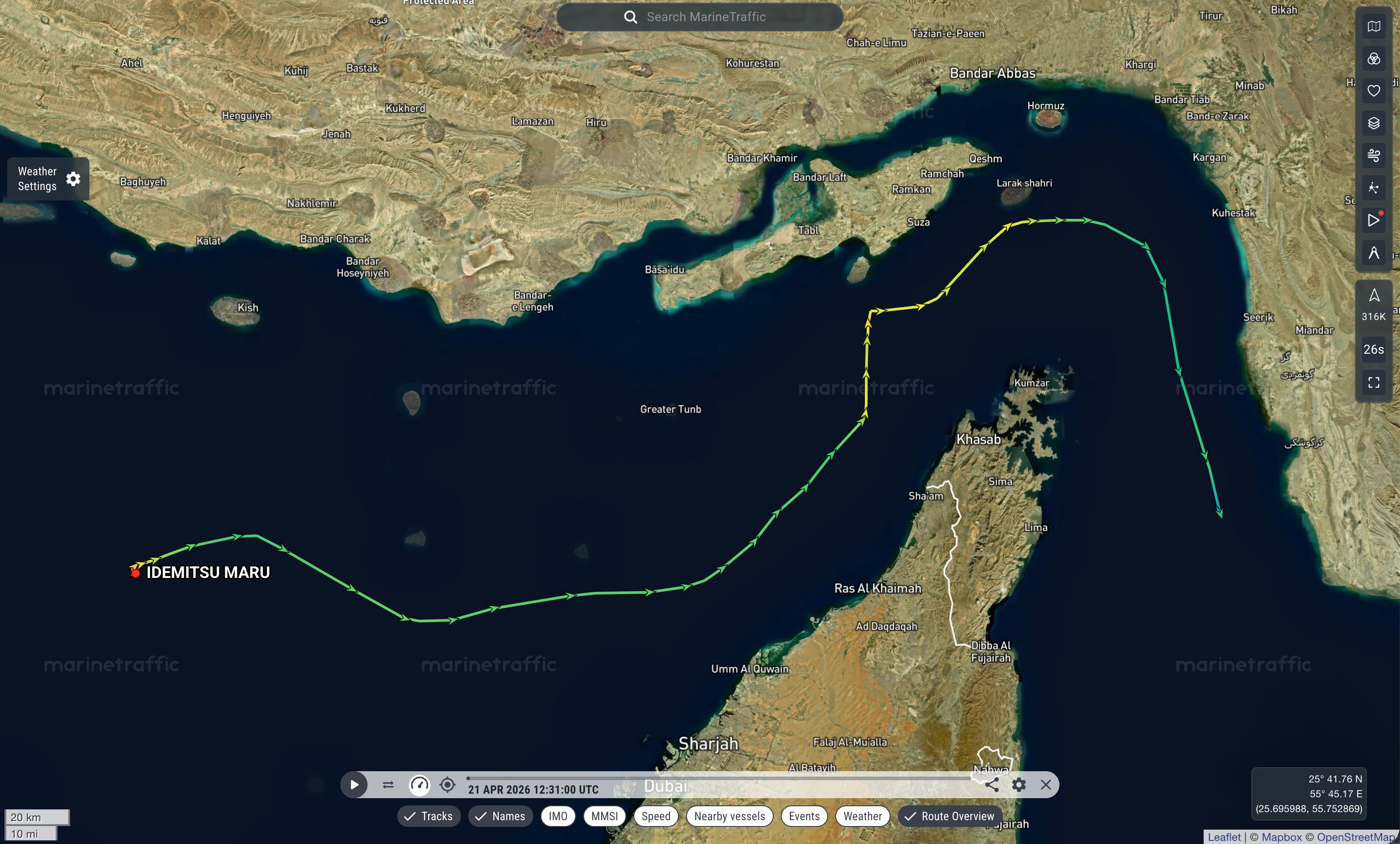
Research Unit on the New Persian Gulf Order
The origin of this newly established research unit goes back to November 2025, when the core members of this unit got together for the first time in one of the Gulf countries for a joint workshop involving institutions of Japan, the Gulf and Europe with various background, in the face of a looming crisis in the region. After the preparation phase from March to May, the unit was officially established in June 2026. This unit on the New Persian Gulf Order will conduct international and interdisciplinary observations and make recommendations regarding the new regional order emerging in the Gulf region in the wake of the War on Iran.This unit will also examine global political, economic, and social changes—including those affecting East and Southeast Asia through energy security and geopolitical competition—resulting from the upheavals in the Gulf region, with a focus on global politics centered on the Middle East and West Asia.